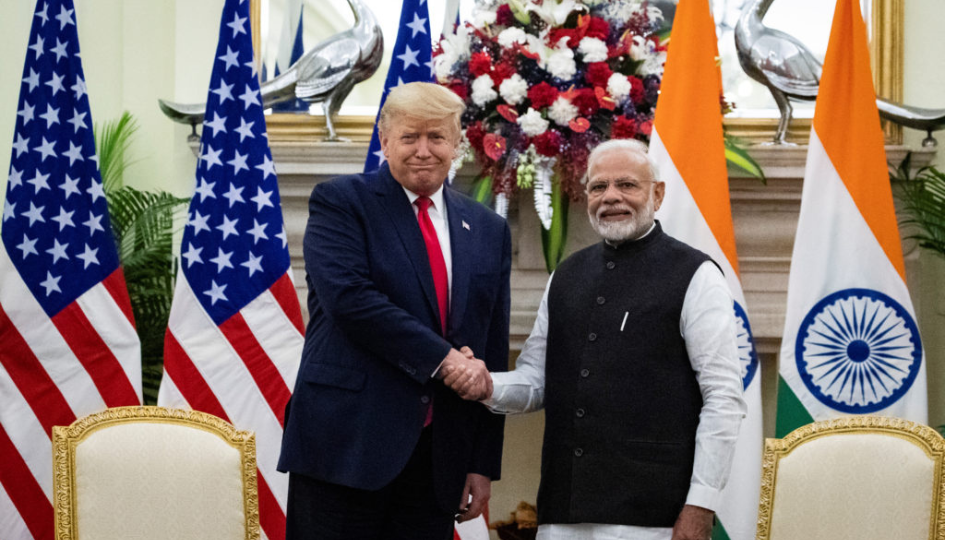
India-US Trade Deal: PM Modi Highlights the Success of Patient Diplomacy
Prime Minister Narendra Modi stated on Tuesday that India’s foreign policy of patience has successfully secured a major trade agreement with its largest partner, the United States. He noted that the global order has been shifting in India’s favor since the Covid-19 pandemic.
“The US trade deal has created a positive environment,” PM Modi told lawmakers of the National Democratic Alliance in New Delhi. “While there was criticism earlier, we remained patient, and that patience has paid off.”
The Prime Minister emphasized that India must now focus on growing its manufacturing sector. He urged the country to create high-quality products that can compete effectively in global markets.
Key Details of the Trade Agreement
Under the new deal, both countries have agreed to significant tariff cuts:
- Reciprocal tariffs on Indian goods will drop from 25% to 18%.
- An additional 25% duty related to Russian crude oil purchases will be removed.
U.S. President Donald Trump confirmed the deal will be “effective immediately” following a phone call with PM Modi on Monday night. This provides instant tariff relief for Indian exporters.
Overcoming Challenges in Negotiations
The two nations have been in talks since early 2025. However, negotiations faced a setback in August when the US imposed tariffs as high as 50% on Indian imports. While talks resumed in October, reaching a final agreement took time.
The situation was further complicated by President Trump’s claims that he brokered a ceasefire between India and Pakistan during their brief military conflict in May. New Delhi maintained its position that it accepted a ceasefire request from Islamabad directly, rather than acting under foreign pressure.
Positive Impact on the Economy
The stock market responded positively to the news of improved trade ties. The Indian Rupee strengthened against the US Dollar, and government bond yields decreased.
Political and industry leaders have welcomed the deal. They believe it will strengthen supply chains, encourage faster technology sharing, and attract more investment into India’s advanced manufacturing sector.
Also Read : US and Iran to Hold Nuclear Negotiations in Oman Following Navy Incidents