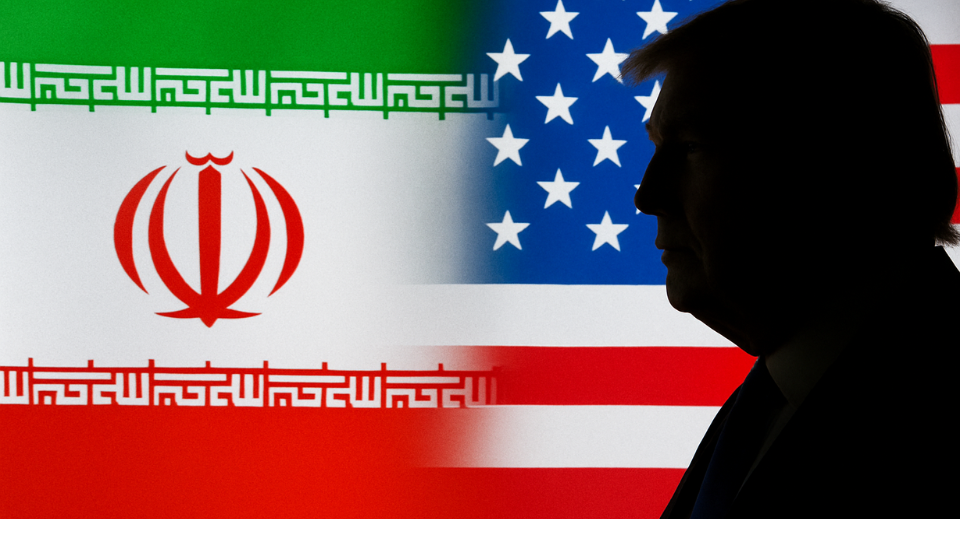
US and Iran Set for Nuclear Negotiations in Oman Amid Rising Tensions
Washington and Tehran are scheduled to hold high-stakes nuclear talks in Oman this Friday, February 6, 2026. The meeting comes as U.S. military presence in the Middle East grows and Iran maintains a firm stance on its ballistic missile program.
President Donald Trump has warned that “bad things” may happen if the two sides cannot reach an agreement. This pressure has led to a tense standoff, with both nations trading threats of military action, raising international fears of a wider conflict.
Negotiations Move to Oman
The Trump administration recently agreed to Iran’s request to move the talks from Turkey to Oman. While regional leaders from countries like Saudi Arabia, Qatar, and the UAE were initially expected to attend, sources indicate that Tehran now prefers direct, bilateral talks with the United States.
Key figures expected at the negotiations include:
- Jared Kushner, the President’s son-in-law
- Steve Witkoff, U.S. Special Envoy
- Abbas Araqchi, Iranian Foreign Minister
Recent Confrontations at Sea
The lead-up to the talks has been marked by military friction. On Tuesday, February 3, a U.S. F-35 fighter jet shot down an Iranian Shahed-139 drone that “aggressively approached” the USS Abraham Lincoln aircraft carrier in the Arabian Sea.
In a separate incident in the Strait of Hormuz, the U.S. military reported that Iranian Revolutionary Guard Corps (IRGC) boats harassed a U.S.-flagged tanker, the M/V Stena Imperative. The tanker was forced to speed up to avoid being boarded after being threatened by Iranian vessels and a Mohajer drone.
Major Obstacles to a Deal
The primary goal of the Friday meeting is to de-escalate these tensions and avoid a full-scale war. However, significant disagreements remain regarding the scope of a potential deal.
The U.S. Demands: President Trump has reportedly set three strict conditions for a new agreement:
- Zero uranium enrichment within Iran.
- Strict limits on Iran’s ballistic missile program.
- An end to Iran’s support for regional proxy groups.
The Iranian Perspective: Tehran has called these demands an infringement on its sovereignty. While Iranian officials have hinted at flexibility regarding uranium enrichment—including a proposal to join a regional nuclear consortium—they have designated the missile program as a “red line” that is not open for negotiation.
The outcome of the Oman talks will be a critical indicator of whether diplomacy can prevail or if the region is headed toward further military escalation.
Also Read : Rent vs Buy: Which Makes More Sense for Your Monthly Budget