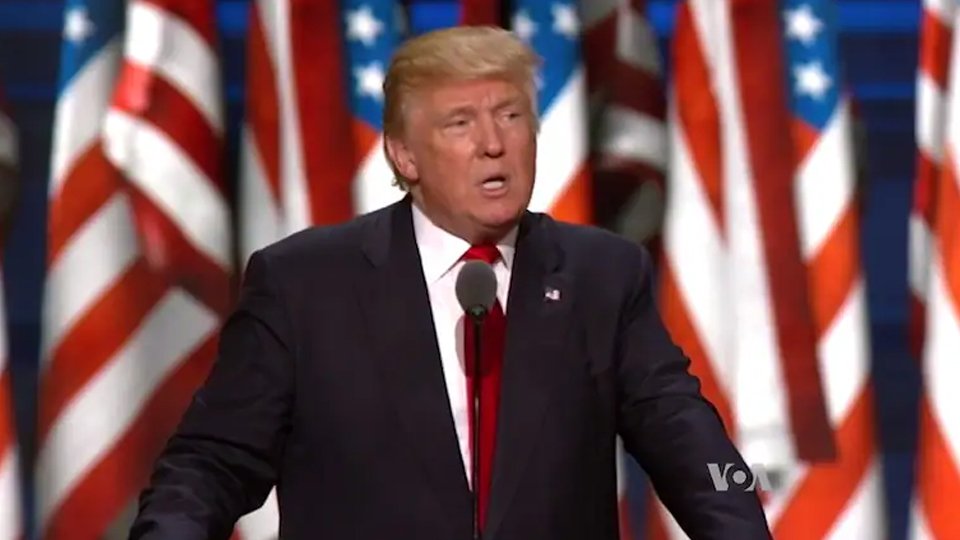
US President Donald Trump has warned that he could impose a 200% tariff on French wine and champagne if France refuses to join a US-backed “Board of Peace” aimed at overseeing post-war reconstruction in Gaza.
Speaking to reporters, Trump said France would eventually join the board but added that participation was not mandatory. His comments were directed at French President Emmanuel Macron, escalating tensions between the two allies.
While Macron has not publicly responded, a source close to the French president told AFP that such tariff threats are unacceptable. The source said using trade pressure to influence France’s foreign policy would be ineffective and inappropriate.
The proposed Board of Peace is a US-led initiative designed to supervise the rebuilding of Gaza, where infrastructure has been heavily damaged following prolonged Israeli military action. According to its charter, the board aims to promote stability, restore lawful governance, and support long-term peace in conflict-affected regions.
However, the charter does not specifically mention Gaza, which has raised concerns among several European Union members. Critics fear the board could go beyond Gaza and act as a parallel body to the United Nations, mediating global conflicts under US influence.
Trump also shared a private message he said was sent by Macron, offering insight into their diplomatic differences. In the message, Macron reportedly questioned Trump’s approach toward Greenland, while supporting US policy on Syria and expressing openness to cooperation on Iran.
The message also suggested France was willing to host a G7 meeting in Davos, inviting representatives from countries involved in current crises, including Denmark, Ukraine, Russia, and Syria. Macron also proposed a private dinner with Trump in Paris following the meeting.
Meanwhile, tensions remain high over Trump’s push to take control of Greenland, which he has justified by citing future security threats from Russia. France has strongly opposed this reasoning.
In a pointed response on social media, the French Ministry for Europe and Foreign Affairs criticized the US approach, suggesting that acting now based on hypothetical future threats creates unnecessary problems in the present.
As diplomatic tensions rise, markets and global leaders are closely watching how US-France relations evolve and whether these threats could impact global trade and geopolitical stability.
Also Read: Bessent calls for Calm on Greenland Issue, Downplays Threat to US Treasuries