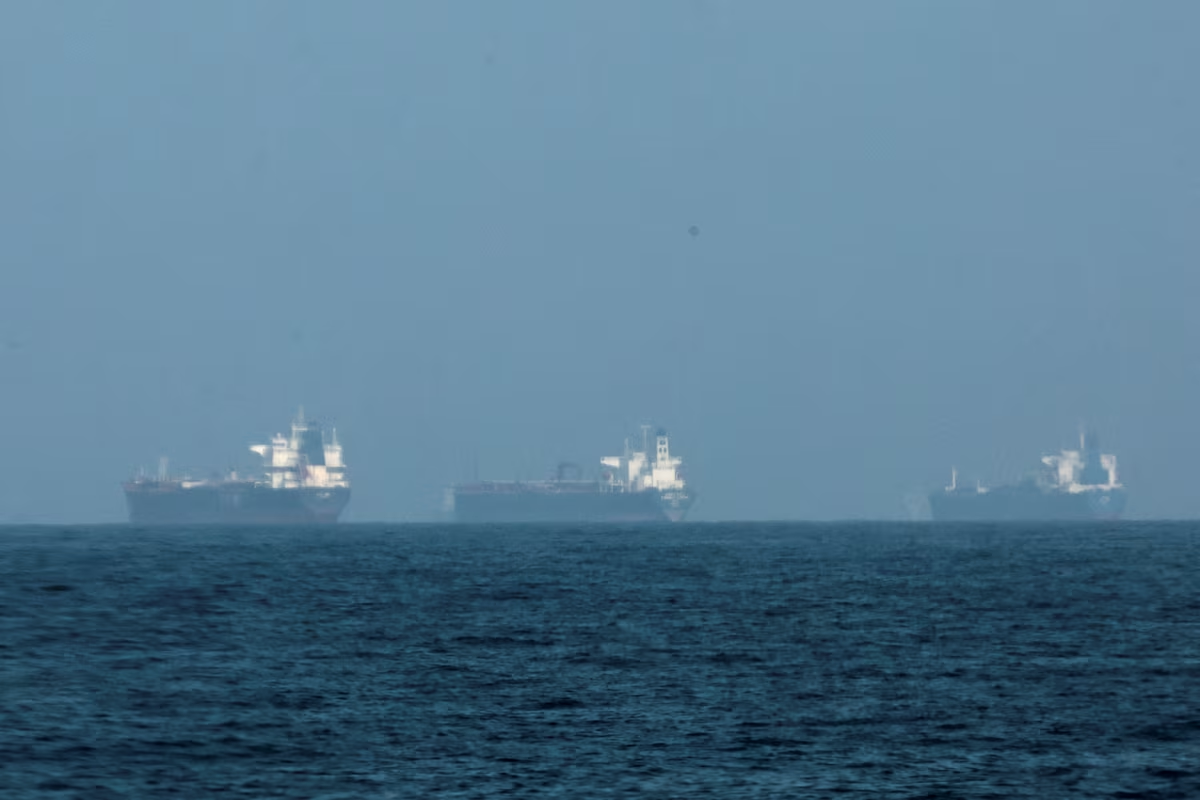
Oil tankers carrying Russian crude are increasingly changing their shipping routes to avoid potentially risky maritime areas, highlighting how geopolitical tensions are reshaping global energy logistics and trade flows.
Shipping data indicates that vessels transporting oil from Russia have begun rerouting to safer maritime corridors as security risks intensify in parts of the Middle East and surrounding waters. The shift reflects growing caution among shipping operators and insurers as geopolitical tensions threaten key global energy transit routes.
The development could influence transportation costs, delivery timelines, and ultimately global oil prices if disruptions persist.
Shipping Routes Adjust to Rising Security Risks
Maritime traffic carrying Russian crude has been adapting to evolving geopolitical conditions, with several tankers choosing alternative routes to reduce exposure to potential conflict zones.
Energy shipping companies often reroute vessels during periods of heightened risk to protect crews, cargo, and vessels from potential threats such as attacks, blockades, or military activity.
Insurance costs for tankers operating in high-risk regions can also increase significantly, prompting shipowners to reconsider traditional shipping routes.
These adjustments highlight the sensitivity of global oil logistics to geopolitical developments.
Global Oil Supply Chains Under Pressure
The rerouting of tankers underscores the complexity of modern energy supply chains, where disruptions in one region can quickly affect markets worldwide.
Crude oil shipments rely heavily on maritime routes that connect major producing regions with global consumers.
Several critical maritime chokepoints—including the Strait of Hormuz and the Suez Canal—handle substantial volumes of the world’s oil trade.
Any instability near these corridors can lead to delays, higher shipping costs, and supply uncertainty.
Energy markets closely monitor tanker movements because they provide early signals about potential disruptions to oil flows.
Implications for Oil Prices
Changes in shipping routes can have broader economic implications for global energy markets.
If tankers are forced to travel longer distances to avoid risky areas, transportation costs increase and delivery times extend.
These factors can contribute to upward pressure on crude prices, particularly when combined with geopolitical tensions and supply concerns.
Higher oil prices can have ripple effects across the global economy by increasing transportation costs, manufacturing expenses, and inflation.
Energy-importing countries such as India are particularly sensitive to fluctuations in oil prices because they rely heavily on imported crude.
India imports more than 80% of its oil requirements, making stable global energy supply chains crucial for its economic stability.
Russia’s Role in Global Oil Markets
Despite geopolitical tensions and sanctions, Russia remains one of the world’s largest oil exporters.
Countries across Asia continue purchasing Russian crude due to competitive pricing and flexible supply arrangements.
The reconfiguration of shipping routes demonstrates how global oil trade has adapted to changing political conditions since the start of the Russia–Ukraine conflict.
Energy traders and shipping companies have increasingly relied on alternative logistics networks to maintain supply flows.
Maritime Security and Insurance Challenges
Shipping companies must also consider insurance coverage when operating in conflict-prone waters.
Marine insurers often designate certain areas as high-risk zones during periods of conflict, leading to higher premiums for vessels traveling through those regions.
In some cases, insurers may require additional security measures or restrict coverage entirely.
These factors can significantly influence shipping decisions and route planning for oil tankers.
What Comes Next
Energy analysts say tanker movements will continue to be closely watched as geopolitical developments evolve.
If tensions persist or escalate, more vessels may alter routes, potentially affecting global oil transportation patterns.
For energy markets, such shifts could lead to:
- Higher shipping costs
- Longer delivery times
- Increased oil price volatility
- Greater uncertainty in supply chains
While the global oil market has proven resilient in adapting to geopolitical shocks, sustained disruptions to major maritime routes could have significant implications for energy prices and economic stability worldwide.
For now, the rerouting of Russian oil tankers serves as another reminder of how geopolitical tensions can ripple through global trade networks and influence the flow of one of the world’s most critical commodities.