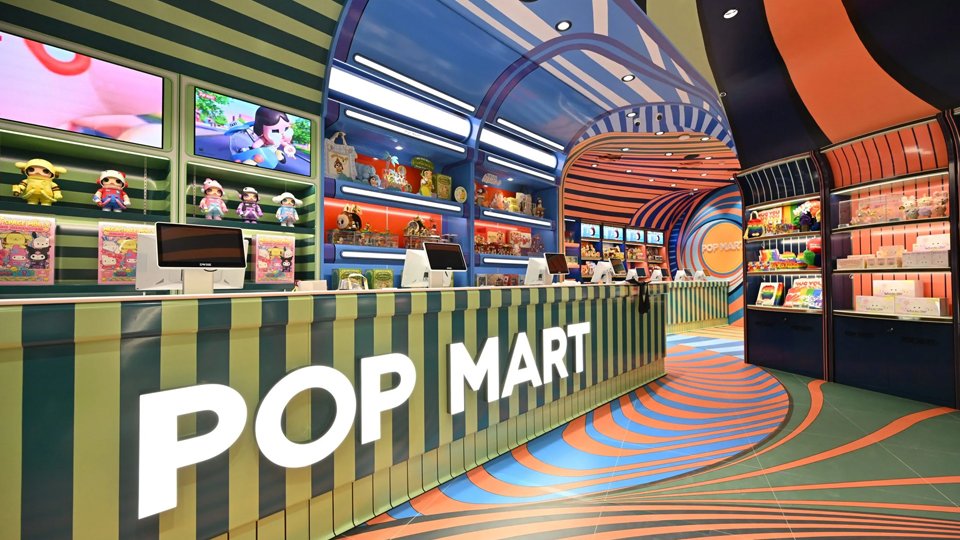
Pop Mart, Xiaomi Lead Share Buybacks as Hong Kong Stocks Turn Volatile
Several major Chinese companies listed in Hong Kong are buying back their own shares to support falling stock prices and improve investor confidence. Leading the trend is Xiaomi Corp., which has been repurchasing shares almost every trading day in 2026.
Last month alone, Xiaomi spent more than HK$3.2 billion ($410 million) on share buybacks its highest monthly total in over two years. Other tech giants such as Tencent Holdings and Kuaishou Technology have also increased their buyback activity.
Buybacks Spread Beyond Tech Sector
The share buyback trend is no longer limited to technology stocks. Pop Mart International Group, known for its Labubu toys, recently carried out its first share buyback since 2024 after its stock declined due to weak demand. The move helped Pop Mart’s shares jump sharply in Tuesday’s trading.
Geely Automobile Holdings has also been active in buying back shares as its stock faced pressure.
Why Companies Are Buying Back Shares
This wave of buybacks comes after large artificial intelligence IPOs in Hong Kong and Shanghai raised concerns that money could move away from existing stocks. At the same time, regulators have been encouraging companies to improve shareholder returns through buybacks and higher dividends.
Market experts say the recent fall in stock prices has created a good opportunity for companies to step in. “The recent IPOs have pulled a lot of liquidity from the market, making it harder for large stocks to retain investor money,” said Shen Meng, director at Chanson & Co. “Share buybacks help boost confidence during such periods.”
Stocks Under Pressure
Xiaomi’s shares are down about 40% from their September high, while Tencent has fallen nearly 11% from its October peak. A key index tracking mainland Chinese companies listed in Hong Kong has posted losses for four straight sessions, as the broader rally in Chinese stocks has slowed.
Tencent spent around HK$13 billion on buybacks last month, its biggest amount since January, and continues to repurchase shares almost daily. Kuaishou has also extended its buyback program after spending HK$812 million in December.
Also Read: Netflix Plans Higher Content Spend in 2026, Pressuring Profits