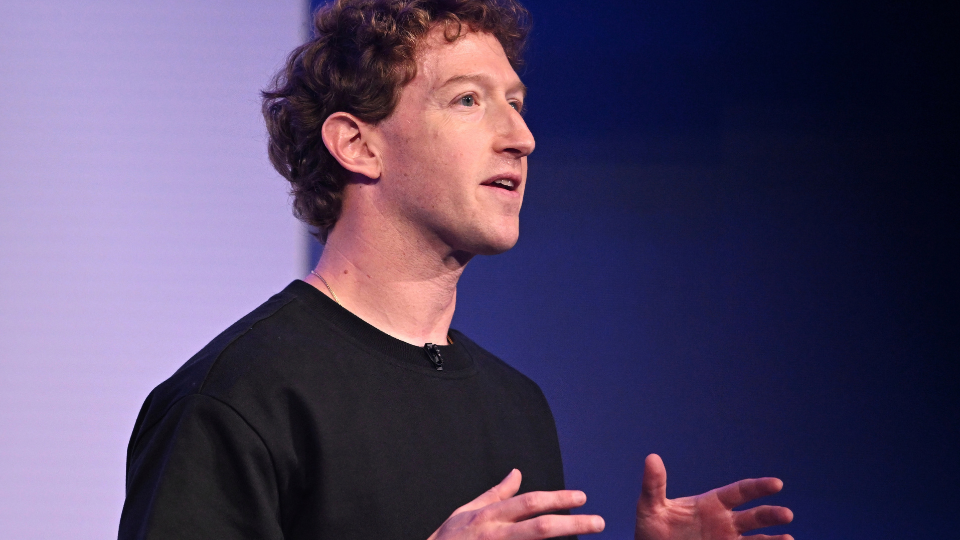
Meta CEO Mark Zuckerberg is set to testify in a historic trial that could change the future of social media. He will answer questions from a jury regarding allegations that Meta’s platforms were designed to be addictive and have caused direct harm to children.
The Heart of the Case
The lawsuit was filed by a 20-year-old woman, identified as KGM. She claims that using social media at a young age led to a severe technology addiction, which worsened her depression and contributed to suicidal thoughts.
While other platforms like TikTok and Snap have already settled their parts of the case, Meta and Google (YouTube) remain the primary defendants. In this trial, Zuckerberg is expected to face intense questioning in front of both the jury and the woman’s family.
A History of Testimony
This is not Zuckerberg’s first time answering for his company’s impact on youth. He has previously testified before Congress regarding child safety and has apologized to families who feel social media played a role in their personal tragedies.
However, this case is unique because it is a “bellwether” trial. This means the court’s decision will likely set the standard for how thousands of similar lawsuits against social media companies are handled in the future.
Meta’s Legal Defense
Meta maintains that it is committed to supporting young people and strongly denies the claims in the lawsuit. During opening statements, Meta’s attorney, Paul Schmidt, clarified the company’s position. He stated that while Meta acknowledges KGM’s mental health struggles, they disagree that Instagram was a major cause of those issues.
The defense argues that the woman faced a difficult home life and used social media as a way to cope or escape her existing problems.
Perspectives on Social Media Addiction
Earlier in the trial, Instagram head Adam Mosseri told the jury that he does not believe people can become “clinically addicted” to social media platforms. He testified that making decisions that harm user well-being for the sake of profit is not a sustainable business strategy for Meta in the long run.
As the trial continues, the focus remains on whether tech giants should be held legally responsible for the mental health of their youngest users.
Also Read : India’s Plan to Stop Ravi River Water Flow to Pakistan What You Need to Know