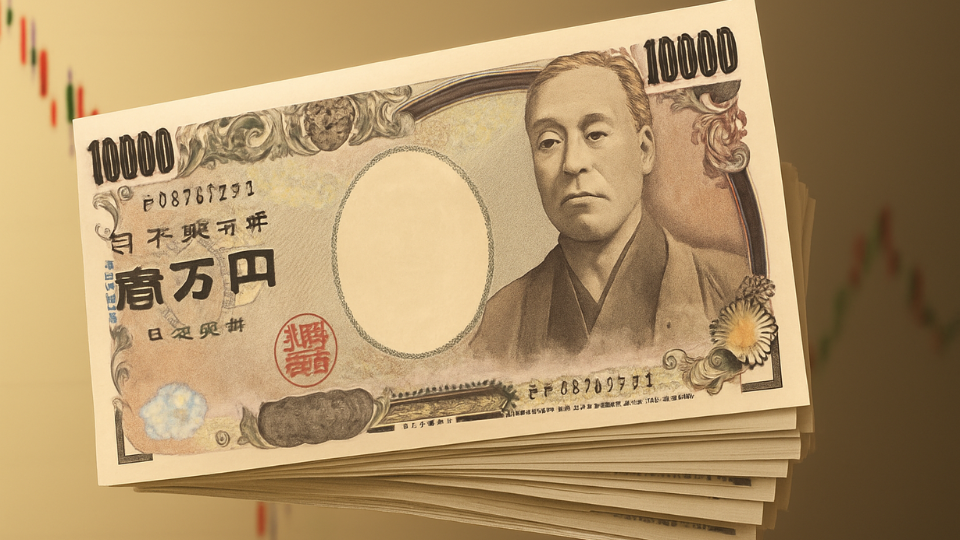
Traders are preparing for higher volatility in Japanese markets ahead of the Feb. 8 snap lower house election. The yen weakened after Japanese Prime Minister Sanae Takaichi said a soft currency can be a major opportunity for exporters. Her comments reduced market expectations that the government may step in to support the yen.
Japan’s currency fell as much as 0.5 per cent to 155.51 per dollar on Monday. It has now given back about half of last week’s gains, which were driven by hopes of a coordinated intervention by Japanese and US authorities.
Speaking at an election rally on Saturday, Takaichi said a weaker yen could benefit export-focused industries. She added that it could help shield the automobile sector from US tariffs. Later, she clarified her remarks, saying her aim was to stress the need for an economy that can handle currency swings.
“Takaichi’s recent comments suggest that a weak yen has benefits for some parts of the Japanese economy,” said Felix Ryan, a currency strategist at ANZ Group Holdings Ltd. “This may indicate that the government is not overly concerned about the yen’s current level. Even if the dollar weakens again, we do not expect dollar-yen to fall below 150 in 2026.”
Traders are bracing for more market swings as the election approaches. Takaichi is seeking to strengthen the ruling Liberal Democratic Party’s mandate by using her strong public approval ratings. Markets are also watching closely for signs of aggressive fiscal policy, which could push up inflation and put pressure on the yen and Japanese government bonds.
A survey by the Asahi newspaper showed that the ruling bloc is on track to win more than 300 seats in next week’s election. The LDP alone could cross the majority mark of 233 seats.
The yen’s rise last week was driven by reports of rate checks by the Federal Reserve Bank of New York. This came after the currency slipped close to 160 per dollar, a level that led Japanese officials to intervene in 2024. US Treasury Secretary Scott Bessent later said the United States was “absolutely not” intervening in the currency market to strengthen the yen.
These remarks reduced hopes of joint action by Japan and the US. This is despite Finance Minister Satsuki Katayama repeatedly mentioning the possibility of coordinated intervention. Data released by the Finance Ministry on Friday also showed that Japan did not spend any funds on direct market intervention in the four weeks up to Jan. 28.
Adding to the uncertainty is US President Donald Trump’s choice of Kevin Warsh as the next Federal Reserve chair. While Warsh has recently supported rate cuts, traders believe he may focus more on controlling inflation. This could support the US dollar and add further pressure on the yen.
Also Read : Air India Boeing Flight Grounded After Switch Defect, AI 171 Affected