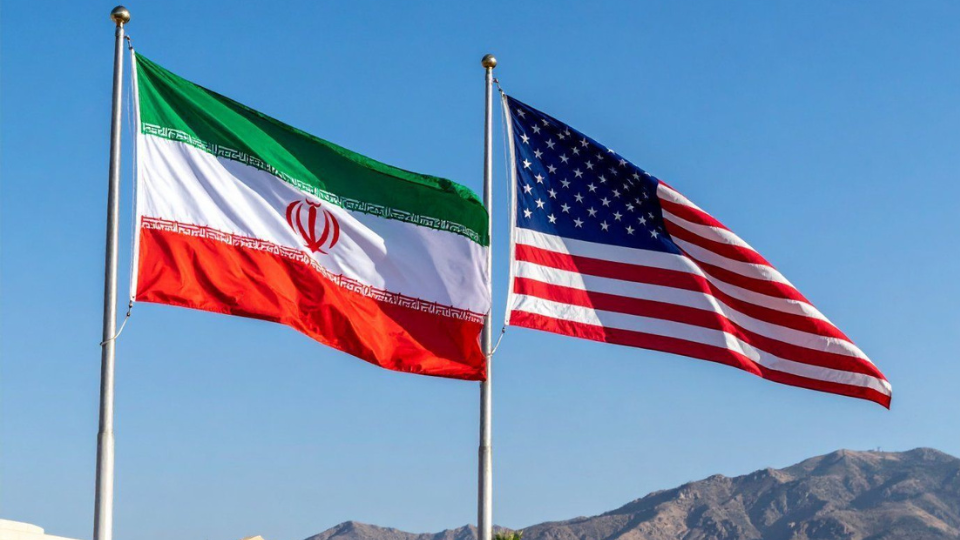
Iran Signals Flexibility in Nuclear Talks, Offers Economic Deals to US
Iran has indicated its willingness to compromise in ongoing nuclear negotiations with the United States, provided Washington eases economic sanctions. Tehran has floated potential cooperation in energy, mining, and aviation as part of these broader economic discussions. However, Iranian officials clarified that they will not accept a “zero enrichment” policy.
Tehran Proposes Mutual Economic Benefits
Deputy Foreign Minister Majid Takht-Ravanchi told the BBC in Tehran that “the ball is in America’s court” to prove they are sincere about reaching a deal.
To make a potential agreement more durable, Iranian officials are moving beyond just nuclear limits. Hamid Ghanbari, deputy director for economic diplomacy at Iran’s foreign ministry, stated that for any deal to last, the U.S. must also see quick economic returns. Proposed areas for collaboration include:
- Energy: Common interests in oil and gas fields.
- Mining: Opportunities for joint investments in the mining sector.
- Aviation: Contracts for aircraft purchases to modernize Iran’s fleet.
Ghanbari argued that the 2015 nuclear pact failed because it did not secure enough tangible economic interests for the U.S.—a mistake Tehran hopes to fix this time.
Tensions Remain High Ahead of Geneva Talks
Despite the conciliatory economic pitch, significant challenges remain. While Tehran signaled it could dilute its highly enriched uranium in exchange for sanctions relief, it still insists on maintaining some level of enrichment. Meanwhile, U.S. Secretary of State Marco Rubio noted that while President Donald Trump prefers a diplomatic solution, a successful deal remains “very hard to do.”
Rhetoric has also fluctuated; Iran recently warned it could strike U.S. bases in the Middle East if attacked, while the U.S. has increased military presence in the region and worked with Israel to further reduce Iranian oil exports to China.
Next Steps in Diplomacy
A second round of indirect talks is scheduled for Tuesday in Geneva. Iran’s Foreign Minister, Abbas Araghchi, is expected to attend and meet with International Atomic Energy Agency (IAEA) chief Rafael Grossi.
The U.S. delegation will include envoys Steve Witkoff and Jared Kushner. Unlike the multilateral 2015 agreement, these current talks are limited to the U.S. and Iran, with Oman acting as the primary mediator.
Also Read : Govt to Focus on Employment and Future Skills with ‘Create in India’ Mission