Indian corporates are closely monitoring the economic fallout from the escalating US–Israel strikes on Iran and the resulting instability in the Middle East. The biggest concern is the surge in global crude oil prices, triggered by tensions around the Strait of Hormuz, a key route for global oil shipments. Since a large portion of India’s crude imports passes through this chokepoint, any disruption directly impacts domestic fuel costs.
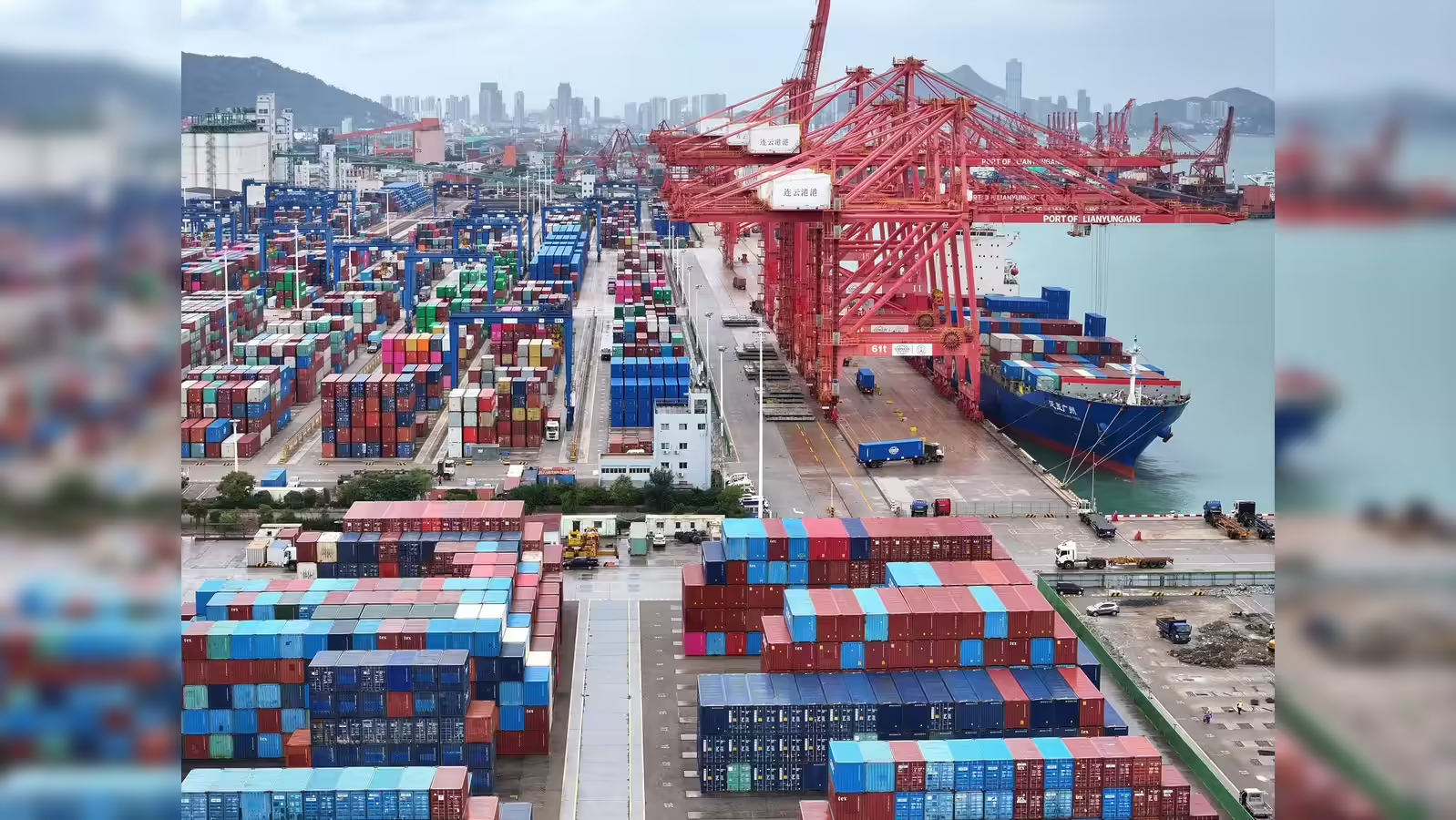
Global shipping companies have begun diverting vessels away from the Gulf region, leading to longer transit times and higher freight rates. For Indian businesses, this means rising logistics expenses, costlier imported raw materials, and tighter profit margins. Sectors such as aviation, chemicals, paints, and manufacturing are particularly vulnerable to higher crude-linked input costs.
At the same time, policymakers are positioning India as a relative “island of stability” in a volatile global environment. Revised GDP figures and strong domestic demand in manufacturing and services provide some cushion. Infrastructure, capital goods, and consumption-led sectors may continue to benefit from public spending.
However, export-oriented industries face shipment delays and higher insurance costs. If oil prices remain elevated for an extended period, companies may be forced to pass on costs to consumers, potentially affecting demand. The coming weeks will determine whether this remains a temporary disruption or evolves into a sustained cost shock for Indian businesses.