The reported killing of Iran’s Supreme Leader Ayatollah Ali Khamenei in a US–Israel strike has pushed an already fragile Middle East into a dangerous new phase, raising urgent concerns about global energy security. While oil markets were already tense due to repeated Gulf confrontations, the removal of Iran’s most powerful political and religious authority has significantly escalated fears of retaliation and disruption in one of the world’s most critical oil corridors.
At the heart of global anxiety lies the Strait of Hormuz — a narrow but vital waterway between Iran and Oman. Roughly 20 million barrels of oil per day, or nearly one-fifth of global oil consumption, passes through this chokepoint. It is also a key route for liquefied natural gas (LNG), especially exports from Qatar. Any instability here immediately impacts global supply expectations.
Why Hormuz Matters So Much
The Strait of Hormuz connects the Persian Gulf to international waters, making it the primary export route for oil from Saudi Arabia, Iraq, the UAE, Kuwait, and Qatar. Because Iran controls the northern coastline and possesses significant naval and missile capabilities, it has long threatened to disrupt traffic in times of conflict.
Even without a full closure, perceived risk alone can tighten supply. Tankers may slow down, reroute, or suspend voyages. Insurance premiums surge. Freight costs climb. The result is not necessarily an immediate loss of oil production — but a logistical bottleneck that effectively restricts supply and pushes prices higher.
What Changed After Khamenei’s Death
Khamenei’s death marks a turning point. Markets now fear that Iran could escalate through asymmetric retaliation — targeting shipping lanes, oil terminals, or regional energy infrastructure.
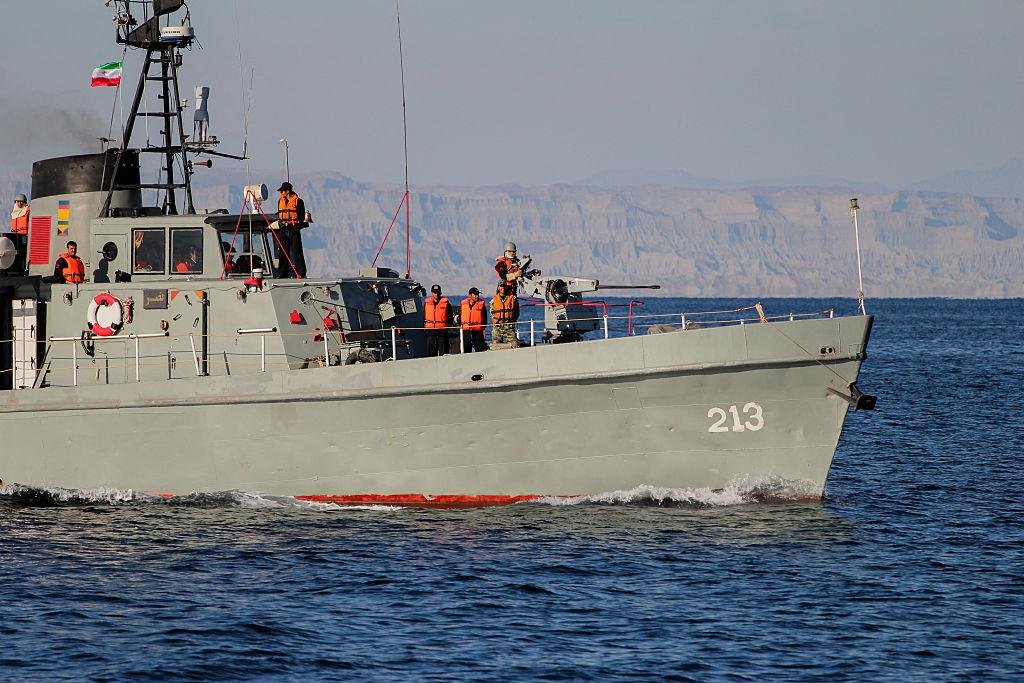
Reports indicate that Iran’s Revolutionary Guard has increased military activity around Hormuz. Some tanker operators have already diverted shipments. Several trading houses are reassessing exposure to Gulf transit routes. Even temporary disruptions can reduce the flow of crude to global buyers.
This means that even if oil wells remain operational, delivery delays can create shortages in consuming nations. In energy markets, perception often moves prices before actual physical shortages appear.
How Much Oil Is Truly at Risk?
In a worst-case scenario involving a prolonged closure of Hormuz, up to 20 million barrels per day could be disrupted — representing one of the largest supply shocks in modern oil history.
However, experts caution against assuming a total shutdown:
- A long-term closure would invite strong US and allied naval intervention.
- Iran itself relies on Hormuz for exports, making prolonged disruption economically damaging.
- Saudi Arabia and the UAE operate pipelines that bypass Hormuz, though these cannot replace its full capacity.
The more likely scenario is partial disruption, tighter flows, and elevated insurance and freight costs — enough to maintain a sustained geopolitical premium in oil prices.
Oil Prices and Market Signals
Crude markets reacted immediately. Analysts are openly discussing the possibility of $100 per barrel oil if tensions persist. Some stress-test scenarios model temporary spikes toward $150 per barrel under extreme escalation.
Current signals show:
- A sharp geopolitical risk premium embedded in oil prices.
- War-risk insurance costs for tankers rising significantly.
- Increased volatility, with prices reacting sharply to headlines.
Markets are not pricing an immediate collapse in supply — but they are pricing in uncertainty and heightened risk.
Who Is Most Vulnerable?
Major oil-importing nations face the greatest exposure.
India, for example, imports around 85–90% of its crude oil, much of it from the Gulf region. Higher oil prices translate into:
- Increased fuel and transportation costs
- Pressure on industrial input prices
- Rising inflation
- A widening current account deficit
- Potential rupee weakness
Asian economies such as China, Japan, and South Korea also rely heavily on Gulf supplies. European refiners may face competition for alternative barrels from the US, Africa, or Latin America. Developing economies with limited reserves face even greater strain.
Can the World Offset the Shock?
There are buffers — but none are perfect:
- Strategic Petroleum Reserves (SPR) can be released to ease short-term supply gaps.
- OPEC producers with spare capacity, mainly Saudi Arabia, may increase output.
- Alternative pipelines can redirect some Gulf oil away from Hormuz.
These measures could cushion a temporary disruption. But a prolonged conflict targeting infrastructure or maintaining severe maritime disruption would significantly strain global markets.
The Bigger Picture: A Political Shock, Not a Supply Collapse
It is important to understand that this crisis is geopolitical, not geological. The world is not running out of oil. Instead, political instability is making it riskier and more expensive to transport energy from producer nations to global consumers.
Khamenei’s death introduces new uncertainty regarding Iran’s internal power dynamics and foreign policy direction. It also increases the likelihood of retaliatory strategies that target shipping lanes or regional rivals.
Oil markets are now reacting not to lost barrels — but to the risk of lost barrels.
Conclusion: High Risk, High Uncertainty
For now, the Strait of Hormuz remains open — but fragile. Shipping routes are tightening, costs are climbing, and markets are highly reactive.
If tensions ease, oil prices could stabilise after an initial spike. But if disruption deepens — through sustained maritime restrictions or attacks on infrastructure — this episode could become one of the most significant energy shocks in decades.
Governments, central banks, and energy-importing nations are watching closely. A narrow stretch of water in the Gulf has once again become the centre of global economic risk.