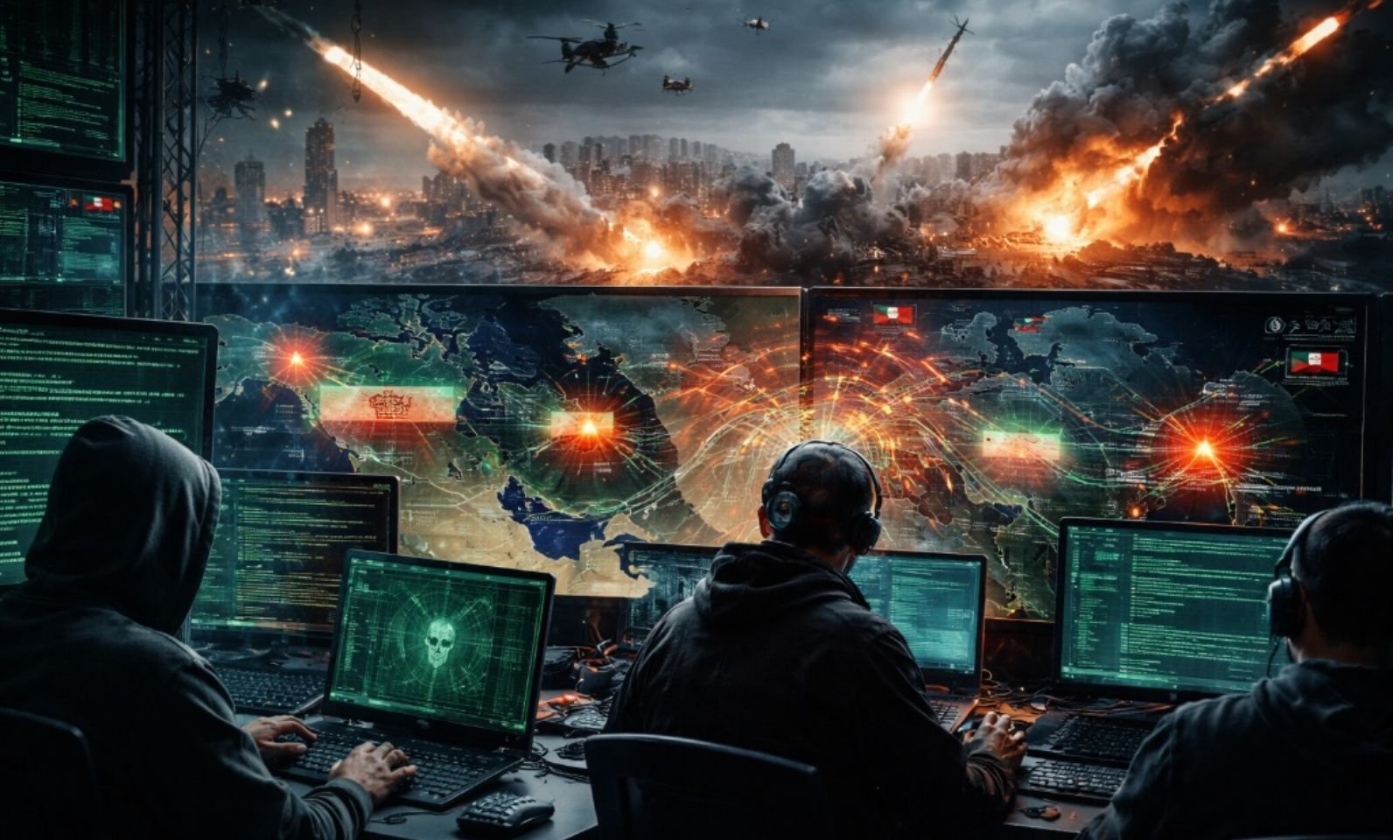
Alphabet-owned Google has issued a warning over increased cyber activity linked to Iran, signaling a potential escalation in state-sponsored digital operations amid heightened regional tensions. The alert underscores growing concerns that geopolitical conflicts are increasingly being fought in cyberspace, with implications for governments, corporations, and global markets.
The development comes at a time when cyber warfare is emerging as a key strategic tool in modern conflicts — capable of disrupting financial systems, critical infrastructure, and digital supply chains without traditional military engagement.
What Google Has Flagged
According to threat intelligence teams within Google, Iran-linked cyber groups have ramped up activity targeting a mix of government networks, media organizations, and strategic infrastructure.
The warning highlights:
- Phishing campaigns aimed at government and defense personnel
- Credential theft operations targeting journalists and policy researchers
- Attempts to infiltrate digital systems linked to critical infrastructure
- Potential preparation for broader disruptive attacks
Cybersecurity experts note that these operations often precede larger geopolitical developments, serving both intelligence-gathering and deterrence purposes.
Iran has historically leveraged cyber capabilities through affiliated groups to project power asymmetrically, particularly when facing economic sanctions or military pressure.
The Geopolitical Context
The cyber warning comes amid intensifying regional instability involving Iran, Israel, and the United States.
Cyber operations have increasingly become a parallel battlefield:
- Israel has previously accused Iran of targeting water systems and civilian infrastructure.
- The United States has sanctioned Iranian cyber units over election interference and ransomware campaigns.
- Iranian-linked groups have been associated with attacks on energy firms and shipping networks.
Digital retaliation offers plausible deniability, lower escalation risk compared to kinetic warfare, and significant strategic leverage.
Why This Matters Now
1. Cyber Warfare as Economic Warfare
Modern economies are deeply digitized. Attacks on:
- Banking systems
- Payment gateways
- Stock exchanges
- Energy grids
- Telecommunications networks
can create immediate economic ripple effects.
If escalation intensifies, global markets could react sharply to fears of systemic disruption.
2. Risk to Critical Infrastructure
Cyber intrusions into energy pipelines, airports, or water facilities can cause operational paralysis.
The International Monetary Fund and global central banks have repeatedly warned that cyber risk is now a systemic financial stability threat.
Impact on Global Markets
While markets have not yet priced in severe disruption, heightened cyber risk typically leads to:
- Increased volatility in oil prices
- Safe-haven flows into gold and US Treasuries
- Defensive rotation in equity markets
- Stronger demand for cybersecurity stocks
Investors closely monitor such warnings because cyberattacks can trigger sudden economic shutdowns or regulatory responses.
Energy markets are particularly sensitive. The Middle East accounts for a significant share of global oil supply, and any digital disruption to logistics or production could drive price spikes.
Impact on India
For India, the implications are indirect but significant.
India maintains strategic relations with:
- The United States
- Israel
- Gulf economies
Any escalation in the region can influence:
- Crude oil import costs
- Shipping insurance premiums
- Currency volatility
India is also rapidly digitizing public infrastructure through initiatives like UPI and Aadhaar-linked services. That makes cybersecurity resilience critical.
Indian IT firms, especially those providing cybersecurity services, could see increased demand if global enterprises expand digital defenses.
Impact on Investors
Short-Term
Investors may observe:
- Volatility in energy and defense stocks
- Gains in cybersecurity companies
- Pressure on emerging market currencies if geopolitical risk rises
Medium-Term
If cyber escalation becomes sustained:
- Governments may increase cybersecurity budgets
- Defense-tech companies may benefit
- Tech firms could face stricter compliance requirements
However, broad market panic is unlikely unless attacks disrupt major infrastructure or financial systems.
Impact on Consumers
For ordinary consumers, cyber escalation can mean:
- Increased phishing scams
- Banking fraud risks
- Data privacy concerns
- Temporary service disruptions
Consumers are often secondary targets in geopolitical cyber conflicts, either directly or through compromised service providers.
The Strategic Pattern: Iran’s Cyber Playbook
Iran has invested heavily in cyber capabilities over the past decade, viewing digital operations as a cost-effective way to counter more technologically advanced adversaries.
Past campaigns attributed to Iran-linked groups include:
- Financial sector attacks
- Industrial espionage
- Infrastructure probing
- Disinformation campaigns
Unlike large-scale ransomware groups motivated by profit, state-backed cyber actors pursue strategic objectives — influence, deterrence, and intelligence.
What Governments and Corporations Are Likely to Do
In response to heightened warnings:
- Governments may activate cyber emergency protocols
- Critical infrastructure operators may elevate threat levels
- Financial institutions could strengthen intrusion monitoring
- Cloud providers may tighten security screening
Companies operating in energy, finance, aviation, and telecommunications are typically placed on high alert during such periods.
Future Outlook
The trajectory of cyber escalation depends heavily on broader geopolitical developments.
Three possible scenarios:
- Contained Activity
Cyber operations remain limited to espionage and symbolic attacks. - Escalation Through Infrastructure Disruption
Critical services are targeted, triggering market volatility. - Coordinated Multi-Domain Conflict
Cyber operations accompany military or economic actions.
Given current patterns, analysts believe digital operations will likely remain below the threshold of triggering full-scale retaliation — but the risk premium is rising.
The bigger structural shift is clear: cyber warfare is now embedded in global power competition.