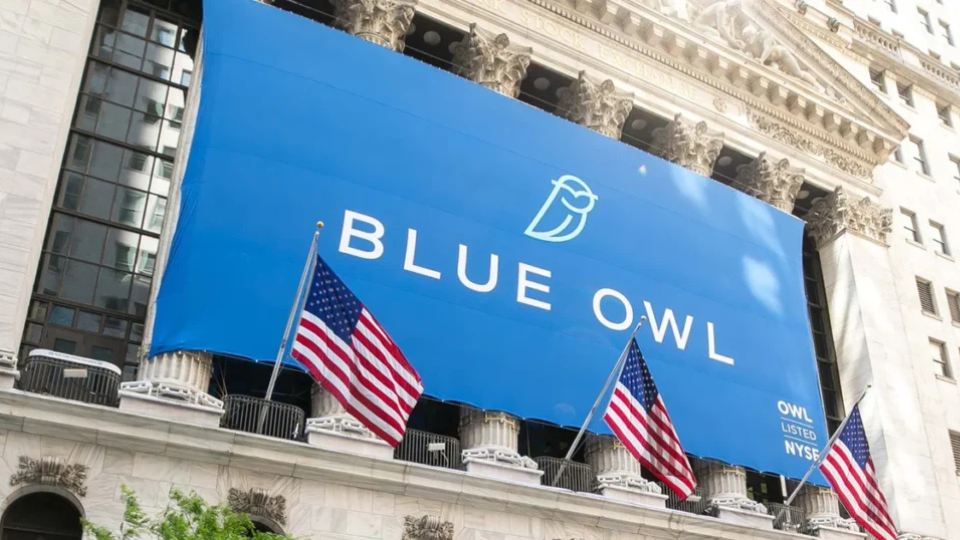
Blue Owl Capital Sells $1.4 Billion Loan Portfolio to Raise Cash for Investors
Blue Owl Capital Inc. has sold a $1.4 billion portfolio of loans to four major buyers. This move helps the firm meet a deadline to return cash to investors in one of its private credit funds. The buyer group includes three of North America’s largest pension funds and Blue Owl’s own insurance asset manager.
According to people familiar with the matter, the buyers are the California Public Employees’ Retirement System (Calpers), the Ontario Municipal Employees Retirement System (Omers), British Columbia Investment Management Corp. (BCI), and Chicago-based Kuvare. Blue Owl confirmed on Wednesday that the loans were sold at 99.7% of their face value.
Returning Capital to Investors
The loan sale was split evenly across three funds. The primary goal was to return cash to investors in Blue Owl Capital Corp II, which saw a high number of withdrawal requests last year.
Originally, Blue Owl planned to return capital by merging the fund with one of its publicly traded companies. However, that plan was canceled following concerns that some investors would face losses. While Blue Owl did not publicly name the buyers, it described them as North American public pension funds and insurance companies.
The Role of Kuvare and Blue Owl Insurance
In 2024, Blue Owl bought Kuvare Asset Management for $750 million to create its “Blue Owl Insurance Solutions” division. At the time of that deal, Kuvare managed approximately $20 billion in assets. As part of the partnership, Blue Owl also invested $250 million in Kuvare UK Holdings.
While representatives for Blue Owl, Calpers, Omers, and BCI declined to comment, Blue Owl co-founder Craig Packer noted that interest from buyers was incredibly high. During an earnings call, he stated that the buyers were eager to purchase even more than what was offered.
Addressing Market Concerns
Despite the successful sale, some investors sold off Blue Owl stock due to worries about rising risks in the private credit market. Industry analysts also pointed out the growing connection between private credit firms and the insurance industry.
Analysts at Barclays suggested this deal might set a trend where debt from visible public funds is moved into more complex, private vehicles. They warned that if these transactions become common, it could become harder for regulators and investors to track financial risks.
The analysts also noted that some of these assets might be placed into collateralized loan obligations (CLOs). While standard funds typically use a low amount of borrowed money, CLOs are often much more leveraged, which can increase overall risk.
A Transparent Transaction
Craig Packer defended the deal, emphasizing that it was a fair economic decision made by independent parties. he dismissed concerns regarding the involvement of Blue Owl’s insurance partner. He argued that the participation of three major, independent pension funds proves the deal’s value, regardless of the fourth buyer’s connection to the firm.
Also Read : PM Modi’s Plan for India: Achieving Economic Growth Through Chip Self Reliance