The alleged assault of a woman from Manipur in Delhi has triggered widespread outrage and renewed concerns about the safety of people from India’s northeastern states living in the national capital. Reacting strongly to the incident, Conrad Sangma said such acts of violence and harassment should “not be accepted as the new normal.”
The incident, which reportedly took place in a residential area of Delhi, has once again brought attention to issues of discrimination and safety faced by residents from the Northeast region. Authorities in New Delhi have begun investigating the case, while political leaders and civil society groups have demanded swift action against those responsible.
The episode has reignited debates over urban safety, racial discrimination, and the need for stronger legal protections for citizens from India’s northeastern states.
Incident raises concerns about safety
According to preliminary reports, the Manipuri woman was allegedly assaulted during an altercation in Delhi. Details surrounding the incident are still emerging, but it quickly sparked concern among community groups and activists who highlighted the vulnerability of northeastern residents in large metropolitan cities.
Videos and eyewitness accounts circulating online intensified public attention, prompting calls for a thorough investigation and accountability for those involved.
The case has also revived longstanding concerns about racial profiling and harassment faced by people from the Northeast in several Indian cities.
Over the years, multiple incidents involving students and professionals from northeastern states have drawn national attention, often leading to demands for stronger enforcement of anti-discrimination laws.
Meghalaya chief minister condemns incident
Reacting to the assault, Meghalaya Chief Minister Conrad Sangma strongly condemned the incident and urged authorities to ensure justice.
Sangma emphasised that violence against individuals from the Northeast must be treated with seriousness and urgency.
He stated that such incidents cannot be normalised or ignored, stressing that India’s diverse population must be able to live safely and with dignity in any part of the country.
The chief minister also called for swift legal action against those responsible, adding that authorities must send a strong message that harassment or violence against citizens based on identity or appearance will not be tolerated.
His remarks have been widely shared on social media and echoed by several leaders from northeastern states.
Renewed focus on discrimination against Northeastern communities
The incident has reignited discussions about discrimination faced by people from India’s Northeast, particularly in major metropolitan centres.
Residents from states such as Manipur, Meghalaya, Nagaland, and Mizoram often report facing racial stereotypes, harassment, and verbal abuse due to differences in physical appearance and cultural identity.
Students and working professionals from these states form a significant community in cities like Delhi, Bengaluru, and Mumbai, where they pursue education and employment opportunities.
Activists say repeated incidents highlight the need for stronger public awareness and better enforcement of laws aimed at preventing racial discrimination.
Community organisations have also urged authorities to ensure faster response mechanisms and better police sensitisation when such complaints arise.
Law enforcement response and investigation
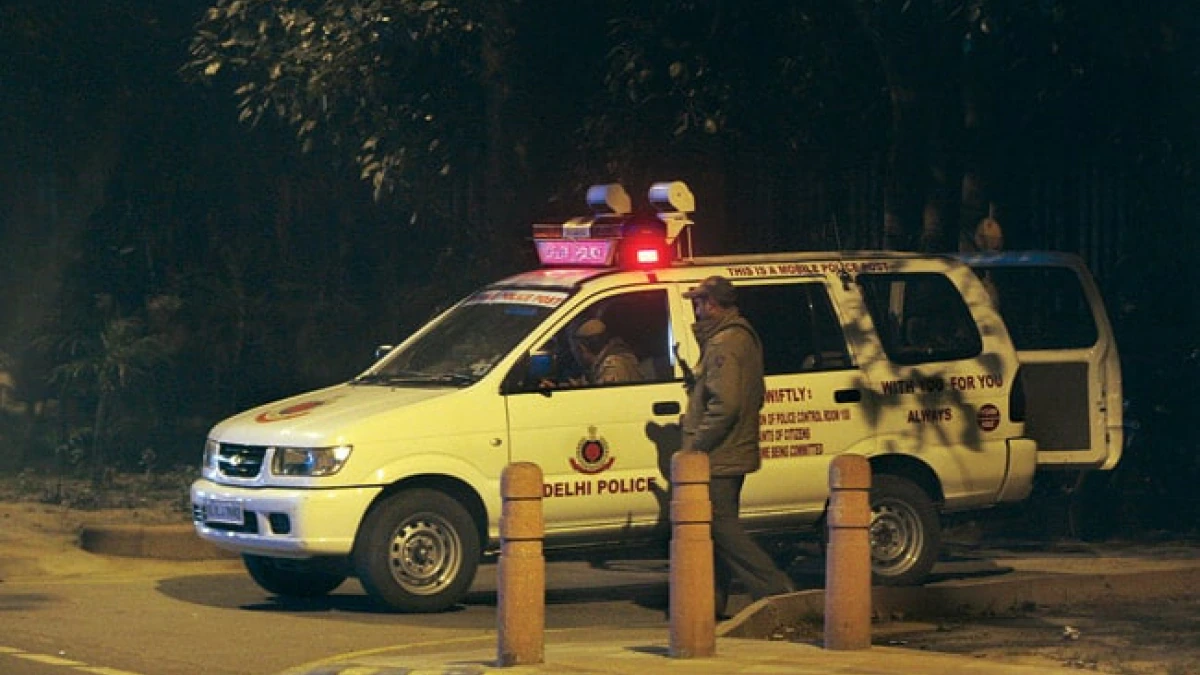
Authorities in Delhi have launched an investigation into the alleged assault. Law enforcement officials are reportedly reviewing evidence, including witness statements and video footage, to determine the circumstances surrounding the incident.
Police officials have said appropriate action will be taken if the allegations are substantiated.
Cases involving violence against women are treated with seriousness under Indian law, and officials emphasised that investigations will follow established legal procedures.
The development comes at a time when urban safety and law enforcement accountability remain key public concerns across major Indian cities.
Broader social implications
Beyond the immediate criminal investigation, the incident has sparked wider debate about social attitudes and inclusion in India’s rapidly urbanising society.
Advocates argue that stronger legal enforcement must be accompanied by broader social awareness about the cultural diversity of India’s northeastern states.
Educational institutions, workplaces, and public authorities are increasingly being encouraged to promote sensitivity and inclusivity.
The Northeast region is an integral part of India’s cultural and geographic fabric, yet residents often say they face unfamiliarity and stereotypes when living outside their home states.
Addressing these social challenges requires both institutional reforms and societal change.
Growing calls for stronger protections
Following the incident, community leaders and activists have called for stronger protections for northeastern residents across India.
These demands include improved police training on handling cases involving racial discrimination, faster investigation timelines, and stricter enforcement of legal provisions designed to protect vulnerable groups.
Several civil society organisations have also urged policymakers to consider broader reforms aimed at preventing such incidents and strengthening social cohesion.
For many observers, the latest case highlights the ongoing need for vigilance and policy attention to ensure that all citizens feel safe regardless of their regional background.