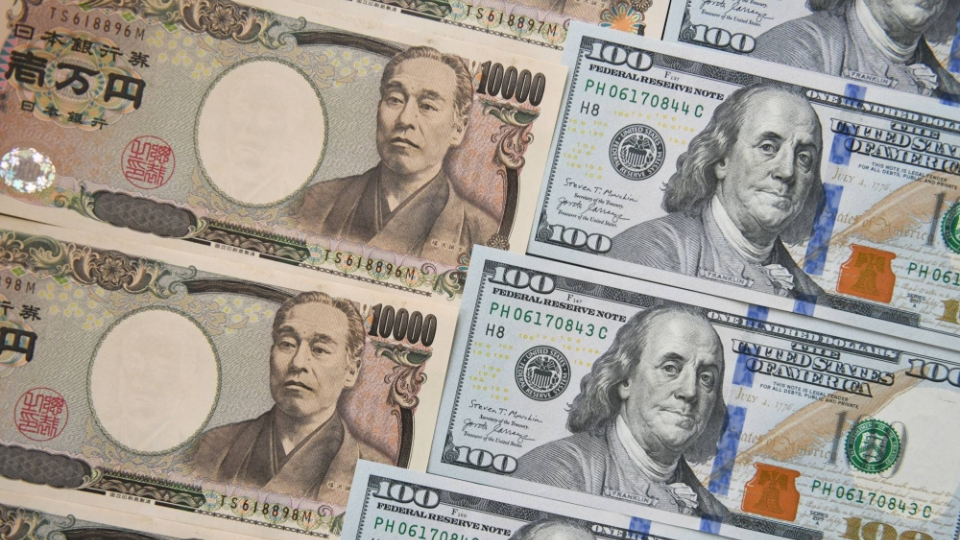
Yen Weakens as US Dollar Rises After Fed Policy Update
The Japanese yen fell significantly today, dropping 1% against the US dollar to 154.81. This marked the yen’s biggest single-day loss this month. The decline was part of a broader selloff in major currencies as strong US economic data pushed Treasury yields higher and reduced the likelihood of interest rate cuts by the Federal Reserve.
Strong US Data Boosts the Dollar
The Bloomberg Dollar Spot Index rose by 0.5%, while the 10-year Treasury yield increased to 4.09%. New economic reports, including private payroll data, industrial production, and business equipment orders, suggest the US economy remains strong.
Higher US interest rates generally make the dollar more attractive to investors compared to other currencies. Shaun Osborne, chief currency strategist at Scotiabank, noted that rising US yields are putting pressure on the yen. He added that market risks currently depend on global investor sentiment and the impact of oil prices.
Fed Minutes and Interest Rate Concerns
Minutes from the Federal Reserve’s latest meeting revealed that some officials believe interest rates might need to rise if inflation stays high. This news further weakened the yen.
The Fed also confirmed that its New York trading desk asked for currency price quotes (known as a “rate check”) for the US dollar and Japanese yen. This request was made on behalf of the US Treasury.
Speculation Over Market Intervention
Last month, there was heavy speculation that Japanese authorities might step into the market to support the yen, possibly with US help. On January 24, the yen rose rapidly following reports of a “rate check.” Historically, when Japanese officials perform a rate check, it is often a sign that they are preparing to intervene directly in the currency market.
However, Treasury Secretary Scott Bessent recently stated that the US maintains a “strong dollar policy” and denied intervening in the Japanese market. Despite this, investors remain focused on the volatile yen, which recently approached the low levels seen in 2024—a time when Japan moved to buy its own currency to stop it from falling further.
Expert Insights
Market strategists suggest that while many investors have been looking for reasons to sell the US dollar, the strong economic data makes a further rise in the dollar more likely.
Paresh Upadhyaya, a strategist at Pioneer Investments, explained that the US administration wants stable interest rates and a less volatile yen to ensure stability in the Japanese government bond market.
Clarification on the “Rate Check”
The Federal Reserve confirmed that its contact with financial institutions regarding the yen’s exchange rate was done strictly for the US Treasury. Minutes from the January meeting showed that the dollar had dropped briefly after the rate check was reported, but the Fed clarified that it was simply acting as a fiscal agent for the Treasury.
Also Read : U.S. Led Russia Ukraine Peace Talks End Without Breakthrough as Fighting Continues