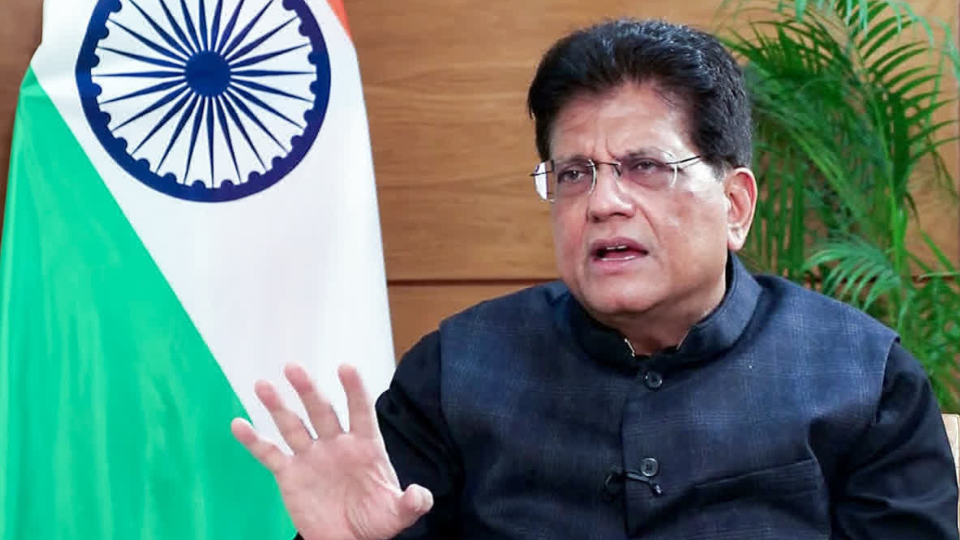
India-US Trade Update: Piyush Goyal Discusses Trade Deal Rebalancing
Following a significant US Supreme Court ruling on trade tariffs, Union Commerce Minister Piyush Goyal stated on Friday that India is ready to adjust its trade agreement with the US if necessary. He highlighted that the current joint statement includes a “rebalancing” clause to protect both nations’ interests.
These comments come shortly after Finance Minister Nirmala Sitharaman noted it was still too early to judge the full impact of potential tariff changes.
Monitoring the US Supreme Court Verdict
During an event in New Delhi, Minister Goyal was asked if India’s negotiating position would change following the US court’s decision. He confirmed that India is closely watching the situation.
“We have to watch the developments. Our joint statement with the US specifically says that if circumstances change, the deal will be rebalanced to ensure the agreement remains fair for both sides,” Goyal explained.
The Impact of New US Tariffs
On February 20, following a legal setback in the Supreme Court, President Trump announced a 10% tariff on all trading partners for 150 days. This was increased to 15% just one day later.
The Supreme Court had previously ruled 6-3 that it was unconstitutional for the President to change tariffs unilaterally. In response, the Trump administration is now pursuing tariffs through other legal channels that involve Commerce Department investigations.
Maintaining the Sanctity of the Trade Deal
The joint statement released on February 7 clearly states that if either country changes its agreed-upon tariffs, the other country has the right to modify its own commitments. Goyal emphasized that this ensures the “sanctity of the deal” works both ways.
In the first phase of this bilateral agreement, the US agreed to:
- Lower reciprocal tariffs on Indian goods from 25% to 18%.
- Remove the 25% punitive tariffs previously imposed on India for buying Russian crude oil.
Protecting India’s Economic Interests
Minister Goyal acknowledged that the situation is still evolving. He noted that the Trump administration might use various legal tools, such as “Section 122,” to impose further tariffs.
When asked if these shifts provide new incentives for India, the minister explained that the current deal allows Indian firms to continue exporting goods without major interruptions. He also reassured the public that sensitive Indian sectors remain fully protected, including:
- Dairy and poultry
- Soyameal and GM food
- Rice, wheat, and corn
Also Read : Bharat Biotech Plans to Raise $500 Million Through Indian IPO