Moody’s: Uniform 15% US Tariff Could Benefit Key Asia-Pacific Economies
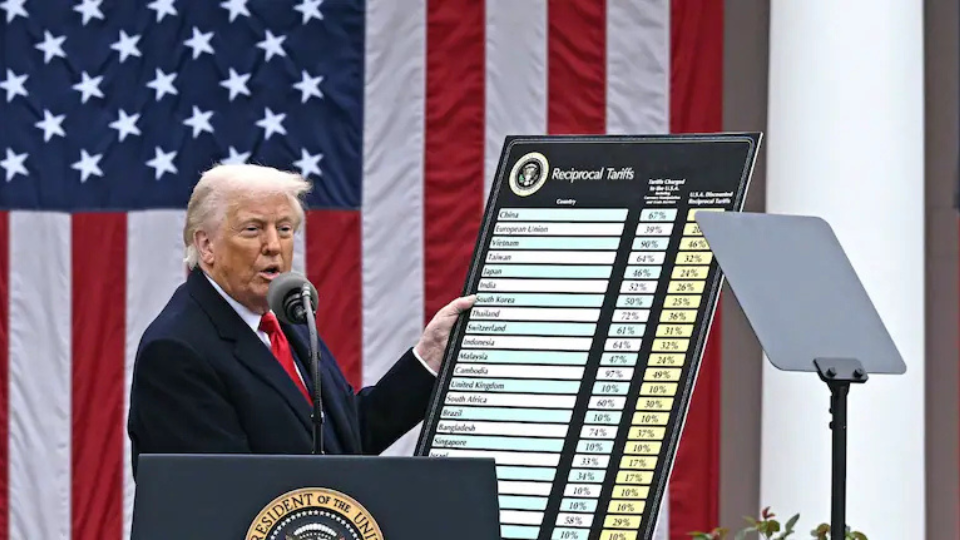
A new report from Moody’s Analytics suggests that a uniform 15% US tariff could actually benefit several Asia Pacific economies. While new taxes often signal trouble, this specific move by President Donald Trump might offer relief to countries that previously faced much higher costs.
Even if tariffs eventually settle at rates lower than those in place before February 20, significant trade uncertainty remains.
Why a Uniform Tariff Helps Some Nations
The US Supreme Court recently ruled against the Trump administration’s country specific tariffs. In response, a temporary 10% tariff was placed on all countries, with plans to increase it to 15%. However, a formal order for the 15% rate has not yet been issued.
According to Moody’s, this shift to a single, flat rate is good news for economies that were dealing with much steeper, individual levies. Key regions expected to see a benefit include:
- China: Previously hit with high targeted tariffs, a move to a lower 15% rate reduces trade pressure.
- Southeast Asia: Many nations in this region will find the flat rate more manageable than previous specific penalties.
In contrast, the change will have a small impact on countries like Japan, South Korea, and Taiwan, as their existing base rates are already around 15%.
Trade Deals and Regional Uncertainty
The court ruling also raises questions about recent trade deals with India and Indonesia. Key details still need to be finalized, such as:
- The timeline for India to stop buying Russian oil.
- The allowed volume of tariff free textiles coming from Indonesia.
Due to this lack of clarity, India has already delayed sending a trade delegation to Washington. Additionally, the ruling limits Washington’s ability to use specific tariffs as leverage in high-stakes negotiations, including upcoming meetings with Chinese President Xi Jinping.
Challenges Ahead: Logistics and Legal Risks
Moody’s warns that even if tariffs settle at a lower rate, the transition will not be smooth. Business leaders should expect a “logistical mess” and continued trade uncertainty.
Key risks include:
- Alternative Legal Routes: The US administration is expected to find other ways to raise tariffs back to their previous levels.
- Front-Loading: If importers see this as a temporary break, they may rush to ship goods before tariffs rise again, causing supply chain congestion.
- Compensation Claims: Companies may try to get refunds for tariffs already paid a process that could be long and difficult.
While some governments might slow down their trade deals with the US, they are unlikely to quit entirely for fear of facing even harsher penalties. The report concludes that while the flat rate offers “momentary relief,” businesses and policymakers should remain cautious.
Also Read : China Targets 40 Japanese Firms with New Export Controls Amid Rising Tensions