Ahmedabad Air India Crash: Dreamliner’s Safety Record Under Scrutiny
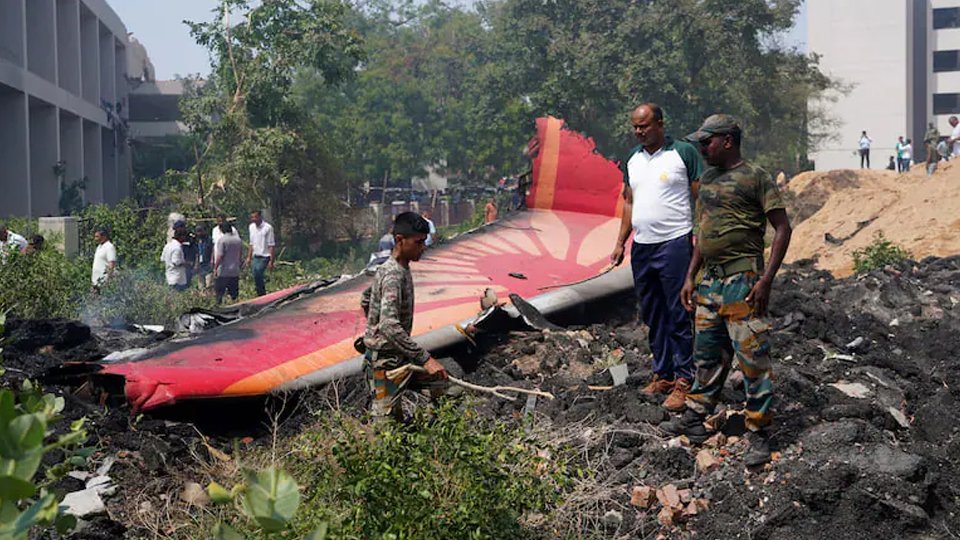
Aviation safety experts in the US have raised serious concerns about the Air India Boeing 787 Dreamliner that crashed in Ahmedabad in June 2025, claiming the aircraft had a long history of technical problems, including a fire, before the fatal accident. The flight to London crashed shortly after takeoff on June 12, killing 260 people on board.
The Foundation for Aviation Safety, a US-based advocacy group, submitted a detailed report to the US Senate, highlighting issues from documents it obtained. The official investigation into the crash is still ongoing.
787 Dreamliner Had Multiple Failures
The crashed aircraft, registered as VT-ANB, was one of the earliest Boeing 787 Dreamliners, first flying in late 2013 and joining Air India in early 2014.
The Foundation claims the plane faced system failures from day one. Their report lists a “wide variety of engineering, manufacturing, quality, and maintenance problems” over its 11-year service life.
Reported issues included:
- Circuit breakers tripping repeatedly
- Electronics and software faults
- Wire damage, smoke, and fumes
- Electrical surges and short circuits
- Burning and overheating of power components
- A serious fire in the P100 power distribution panel in January 2022
The P100 panel, which distributes high-voltage power from the engines, had to be completely replaced after the fire.
Electrical Design of 787 Under Scrutiny
The Boeing 787 uses more electrical systems than older aircraft, replacing many mechanical and pneumatic parts with lighter electrical systems. While this improves efficiency, it has caused problems since the plane’s early years.
Previous incidents, including a battery fire in 2013 on a Japan Airlines Dreamliner, led to a temporary grounding of the global 787 fleet. The P100 power panel itself had already been redesigned after a fire on a test aircraft in 2010.
The US Senate’s Permanent Subcommittee on Investigations held hearings in 2025, examining what it called “Boeing’s broken safety culture.”
Interim Report Sparks Controversy
The Aircraft Accident Investigation Bureau (AAIB) of India is leading the official probe, with US officials involved since the plane and engines were manufactured in the US.
In July 2025, the AAIB released a preliminary report summarizing known facts. One section drew controversy: moments after takeoff, the aircraft’s fuel control switches were accidentally moved from “run” to “cut-off,” cutting fuel to the engines. The switches were restored, but it was too late to prevent the crash.
The cockpit voice recording reportedly captured a pilot asking, “Why did he cut off?” with the other pilot replying, “I did not do so.”
This raised debates over pilot error, but aviation experts, lawyers for victims’ families, and technical analysts argue that technical failures may have played a major role, and the focus on pilots could be misleading.
Conclusion
The Ahmedabad Air India crash has put the spotlight on Boeing 787’s safety record. While investigations continue, experts emphasize the importance of examining both technical failures and human factors to prevent future tragedies.
Also Read: Government to Stop Vehicle Transfers if Highway Toll or Fitness Dues Are Pending