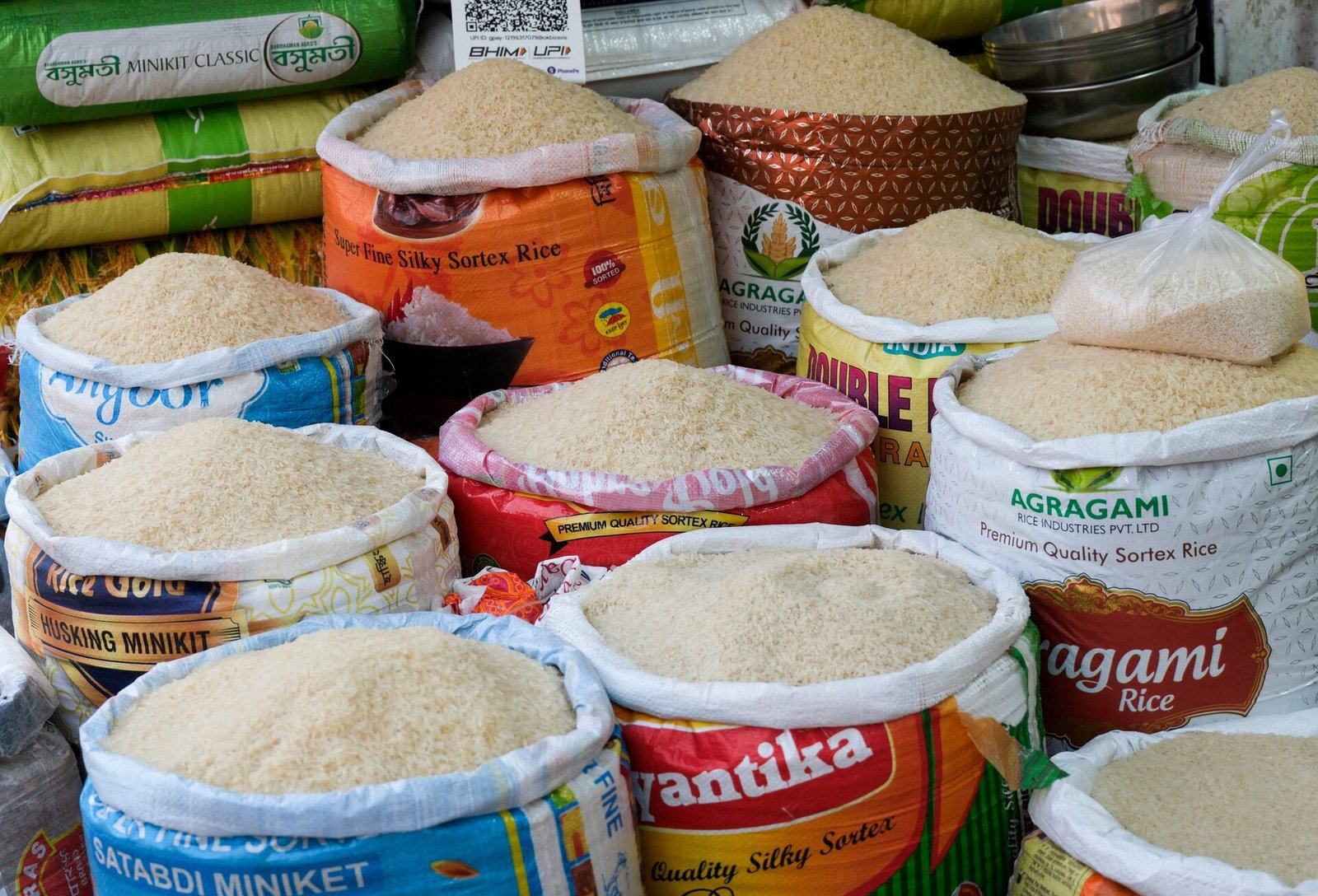
India has secured export orders for around 400,000 tons of basmati rice, highlighting strong international demand for the premium grain and reinforcing the country’s position as the world’s leading supplier of basmati.
The shipments are expected to be delivered over the coming months, according to industry traders, as global buyers increasingly turn to India for high-quality rice supplies amid shifting agricultural trade flows.
The development reflects steady demand in global food markets despite supply disruptions, geopolitical tensions, and weather-related uncertainties affecting agricultural production in several regions.
India Maintains Leadership in Basmati Exports
India dominates the global basmati rice trade, accounting for the majority of exports of the aromatic long-grain variety grown primarily in northern states such as Punjab, Haryana, and parts of Uttar Pradesh.
The new orders are believed to come largely from buyers in the Middle East, particularly countries such as Saudi Arabia and Iran, which remain among the largest consumers of basmati rice.
Demand from these markets has remained resilient due to basmati’s strong cultural and culinary importance in regional cuisines.
Exporters say the latest orders underscore the continued global appetite for Indian basmati despite fluctuations in agricultural commodity prices.
India’s basmati exports typically range between 4 million and 5 million tons annually, generating billions of dollars in foreign exchange earnings.
Global Rice Market Dynamics
The global rice market has experienced significant volatility over the past two years due to climate disruptions, export restrictions, and rising transportation costs.
India—one of the world’s largest rice producers—has implemented various policies aimed at managing domestic food inflation while maintaining export competitiveness.
Although restrictions were imposed on certain categories of non-basmati rice exports in recent years to stabilize domestic supply, basmati rice exports have largely remained unaffected.
This distinction reflects the premium positioning of basmati in global markets, where demand is driven more by quality and branding than by basic food security concerns.
International buyers often prefer Indian basmati due to its distinct aroma, long grain structure, and established reputation.
Agricultural Exports Strengthening India’s Trade Profile
Agricultural exports have become an increasingly important component of India’s external trade performance.
Products such as rice, spices, sugar, and marine products contribute significantly to the country’s export earnings.
The government has also promoted agricultural exports through policy initiatives and trade agreements aimed at expanding access to overseas markets.
The export sector is supported by institutions such as the Agricultural and Processed Food Products Export Development Authority, which works to strengthen supply chains, quality standards, and international market access.
Efforts to improve logistics infrastructure, including modernized ports and cold storage facilities, have further enhanced India’s ability to compete in global agricultural trade.
Price Trends and Farmer Impact
Strong export demand for basmati rice can have a positive impact on farmer incomes, particularly in key producing regions.
Higher export volumes often translate into improved procurement prices for farmers cultivating premium basmati varieties.
Agricultural economists say stable export demand provides an important source of income security for farmers engaged in basmati cultivation.
However, price dynamics in global markets remain sensitive to factors such as currency fluctuations, weather conditions, and shifts in international demand.
The timing of shipments and export contracts can also influence domestic price movements in agricultural markets.
Competition in the Premium Rice Segment
Although India dominates basmati exports, it faces competition from neighboring producers, particularly Pakistan, which also exports significant quantities of basmati rice.
Both countries share similar agro-climatic conditions suitable for cultivating the aromatic grain.
Competition between exporters often revolves around pricing strategies, quality certification, and branding in international markets.
India’s large production base and extensive export networks have helped it maintain a strong advantage in global basmati trade.
However, maintaining quality standards and supply reliability remains critical for sustaining long-term market leadership.
What Comes Next
With global food markets facing ongoing uncertainty due to climate variability and geopolitical disruptions, demand for reliable agricultural exporters is expected to remain strong.
India’s basmati rice sector appears well-positioned to benefit from this trend, supported by:
- Large-scale cultivation capacity
- Established export infrastructure
- Strong international brand recognition
- Expanding demand in Middle Eastern markets
If current export momentum continues, basmati rice shipments could remain a key contributor to India’s agricultural export earnings in the coming year.
For farmers and exporters alike, the latest 400,000-ton export orders provide an encouraging signal that global demand for premium Indian basmati rice remains robust.