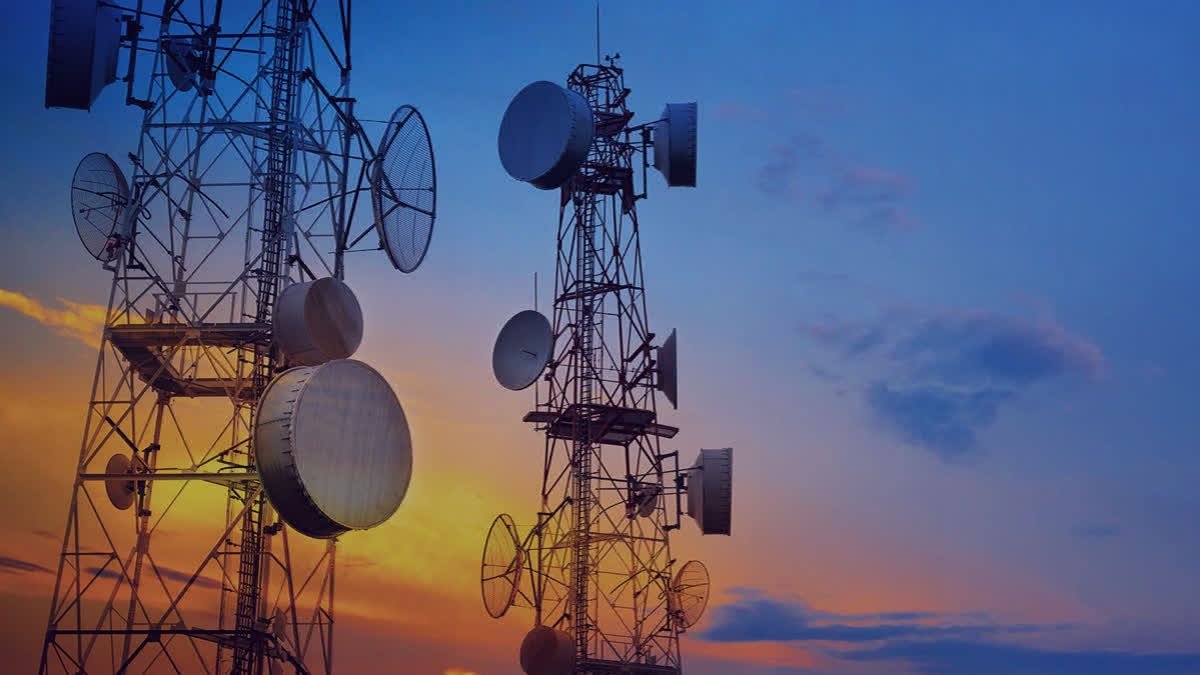
India’s internet user base has crossed the one-billion mark, highlighting the extraordinary pace of digital adoption in the world’s most populous country and underscoring the growing role of connectivity in shaping the country’s economic and technological future.
The milestone reflects years of rapid expansion in smartphone penetration, low-cost mobile data, and government-led digital initiatives that have transformed how millions of Indians access services, conduct financial transactions, and participate in the digital economy.
Industry analysts say the surge in connectivity is accelerating India’s transformation into one of the largest internet markets globally, creating opportunities across sectors including e-commerce, fintech, education technology, and digital entertainment.
India Joins the World’s Largest Internet Markets
According to recent estimates, India now has over 1 billion internet users, placing it among the largest connected populations in the world.
A significant portion of this growth has come from smaller cities and rural regions, where improved telecom infrastructure and affordable smartphones have expanded access to digital services.
Mobile phones remain the primary gateway to the internet for most Indians. Industry estimates suggest that more than 95% of internet users in the country access the web via smartphones, reflecting the dominance of mobile-first connectivity.
The telecom sector has played a central role in driving this shift. Companies such as Reliance Jio and Bharti Airtel have expanded high-speed mobile networks across the country, offering some of the world’s lowest data prices.
Affordable data plans have dramatically increased consumption of online content, digital payments, and social media platforms.
Rural India Driving the Next Phase of Growth
One of the most significant trends in India’s internet expansion is the rapid increase in rural connectivity.
For the first time, the number of internet users in rural India has surpassed those in urban areas.
Government initiatives such as the BharatNet program have been instrumental in expanding fiber connectivity to villages and remote regions.
This expansion is helping bridge the digital divide by enabling rural communities to access services such as telemedicine, online education, e-commerce, and digital financial tools.
The growth of regional-language content has also played a crucial role in expanding internet adoption beyond English-speaking users.
Streaming platforms, social media applications, and short-video services increasingly provide content in local languages, making the internet more accessible to diverse audiences across India.
Digital Payments and Online Commerce Surge
The explosion in internet access has fueled a rapid rise in digital transactions and online commerce.
Platforms operated by the National Payments Corporation of India, particularly the Unified Payments Interface (UPI), have transformed everyday payments across the country.
UPI now processes billions of transactions every month, enabling instant bank-to-bank transfers through smartphones.
Small merchants, street vendors, and local businesses have increasingly adopted QR-based payment systems, making digital payments a routine part of daily commerce.
The rapid adoption of fintech services has also supported financial inclusion by bringing millions of previously unbanked individuals into the formal financial system.
Digital Economy Becoming a Major Growth Engine
India’s expanding internet base is playing a key role in the country’s economic development.
The digital economy—including e-commerce, digital services, online advertising, and technology platforms—is expected to contribute a growing share of India’s overall GDP in the coming years.
Global technology companies and investors are increasingly targeting India as a major growth market due to its massive online population and rising digital consumption.
Startups operating in sectors such as fintech, online education, logistics technology, and software services are benefiting from the expanding user base.
Government programs promoting digital governance and online service delivery have further accelerated internet usage.
Public platforms for identity verification, payments, and digital documentation have created an ecosystem that supports both public services and private-sector innovation.
Infrastructure and Connectivity Challenges
Despite the rapid growth in internet usage, challenges remain in ensuring consistent connectivity across the country.
Some rural and remote regions still face issues related to network reliability, bandwidth availability, and digital literacy.
Infrastructure investments will be critical to sustain growth in internet usage as data consumption continues to rise.
The rollout of 5G services across major cities and expanding fiber networks is expected to further improve connectivity and enable new digital services.
Telecom operators are investing heavily in network upgrades to support higher data speeds and increased traffic volumes.
However, industry analysts note that telecom companies must balance these investments with financial sustainability, as the sector faces significant capital expenditure requirements.
What Comes Next
With more than a billion people now online, India is entering a new phase of digital transformation.
The next stage of growth will likely focus on improving connectivity quality, expanding high-speed networks, and enabling advanced technologies such as artificial intelligence, cloud computing, and Internet of Things applications.
Key developments expected in the coming years include:
- Wider rollout of 5G mobile networks
- Expansion of rural broadband connectivity
- Growth in digital financial services
- Increasing adoption of online education and healthcare platforms
As connectivity continues to deepen across the country, India’s vast internet population is expected to play an increasingly important role in shaping global digital markets.
For policymakers and businesses alike, the challenge now lies in ensuring that the benefits of this digital revolution are distributed broadly across the country’s diverse economic and geographic landscape.