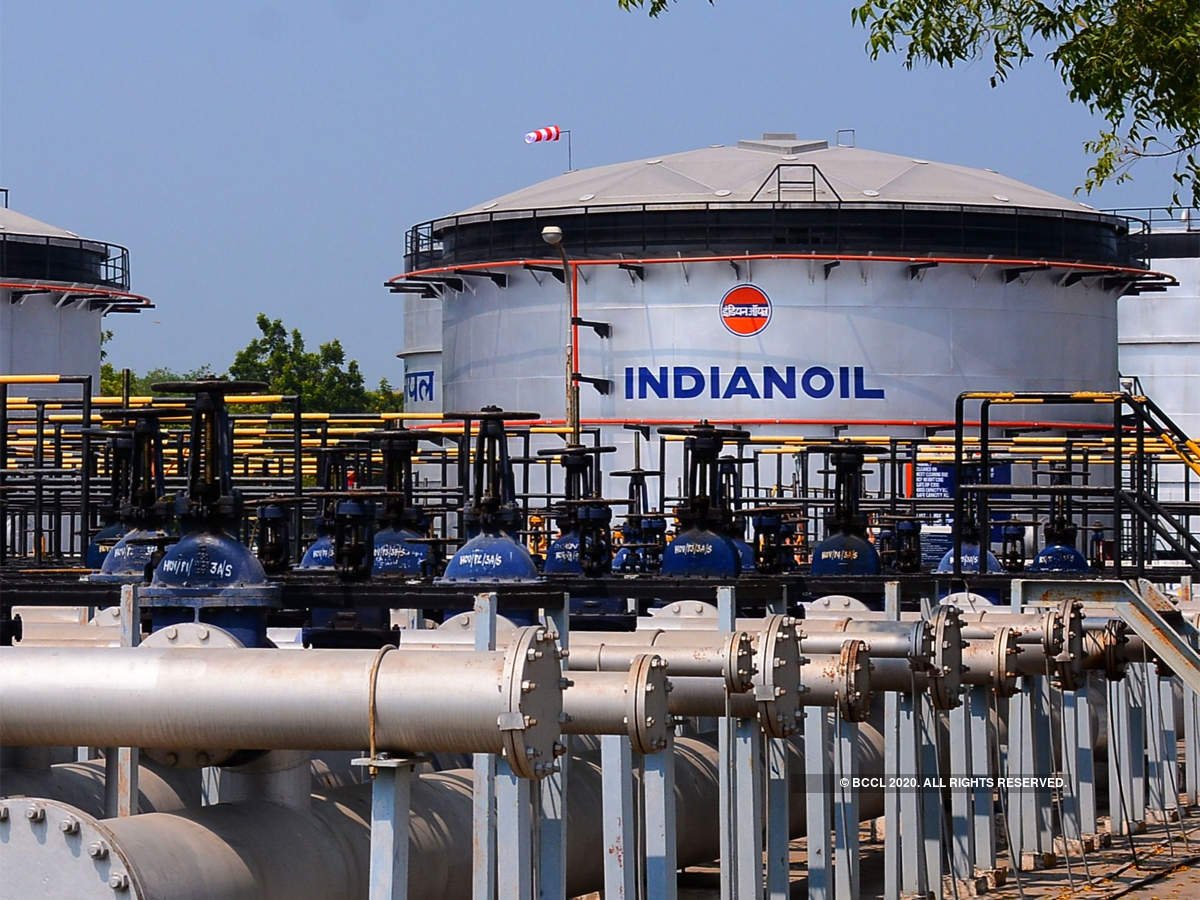
India has moved to reassure markets and consumers that the country’s energy supplies remain secure despite escalating tensions in the Middle East that threaten global oil shipments through the strategically critical Strait of Hormuz. Officials say the country holds adequate fuel reserves and has diversified crude sourcing to mitigate potential disruptions.
The statement comes amid heightened geopolitical risk following military escalation involving Iran and strikes linked to Israel and the United States, which have disrupted shipping activity in one of the world’s most important energy corridors. The crisis has raised fears of supply shocks that could push crude prices sharply higher and strain importing economies such as India.
Indian authorities say they are closely monitoring the situation while coordinating with refiners and suppliers to maintain uninterrupted fuel availability across the country.
Government Moves to Calm Supply Fears
The assurance was delivered by Petroleum and Natural Gas Minister Hardeep Singh Puri, who emphasized that India maintains sufficient fuel inventories and contingency mechanisms to address disruptions in global supply chains.
Officials say India currently holds around 25 days of crude oil and refined fuel inventories, a buffer designed to absorb short-term disruptions in international supply routes. The government has also set up 24-hour monitoring control rooms to track developments in energy markets and shipping routes as the crisis unfolds.
The reassurance is aimed at preventing panic buying or speculation in domestic fuel markets, particularly as international crude prices react to geopolitical developments.
Energy analysts say the messaging reflects a familiar pattern during periods of oil market volatility: reassure domestic markets while quietly exploring alternative supply options.
Strait of Hormuz: The Critical Energy Chokepoint
The immediate concern centers on the Strait of Hormuz, a narrow maritime passage between the Persian Gulf and the Gulf of Oman that handles a significant portion of global energy shipments.
Roughly 20% of global oil and gas trade flows through this route, making it one of the most strategically sensitive energy chokepoints in the world.
For India, the exposure is substantial. Estimates suggest that about 40% of India’s crude oil imports transit through the Strait of Hormuz, making disruptions particularly concerning for policymakers and energy companies.
Recent attacks on vessels and rising military tensions in the region have already forced some tanker operators to suspend voyages through the area. Shipping risks have increased sharply, leading insurers and shipping companies to reassess routes.
If disruptions persist, analysts warn that global oil markets could tighten quickly, triggering price spikes.
Oil Prices and Market Impact
Energy markets have already begun reacting to the geopolitical uncertainty.
Some forecasts suggest crude prices could climb toward $100 per barrel if supply disruptions intensify and tanker traffic through the Persian Gulf remains restricted. Such a move would have significant implications for India’s economy, given its heavy reliance on imported energy.
Every $1 increase in crude prices raises India’s annual import bill by roughly $2 billion, adding pressure on the country’s trade balance and inflation outlook.
Higher crude prices can ripple through the broader economy by increasing transportation costs, raising manufacturing expenses, and pushing up retail inflation.
Key sectors vulnerable to rising oil prices include:
- Aviation
- Logistics and transport
- Petrochemicals
- Paints and chemicals
- Tyres and automotive supply chains
On the other hand, upstream energy companies and exploration firms may benefit from stronger crude prices.
Diversified Energy Strategy
India’s confidence in managing the situation stems largely from its long-term strategy of diversifying oil import sources.
Over the past decade, India has expanded its supplier network from roughly 27 countries to around 40, sourcing crude from regions including Latin America, North America, and Africa in addition to the Middle East.
This diversification strategy gained urgency following the global energy disruptions triggered by the Ukraine conflict and Western sanctions on Russian oil.
The policy has allowed Indian refiners to maintain flexibility in procurement and reduce dependence on any single supplier or region.
Major state-owned refiners such as Indian Oil Corporation and private energy firms including Reliance Industries have increasingly adopted flexible procurement strategies, combining long-term contracts with spot market purchases.
This approach allows refiners to quickly pivot to alternative suppliers when geopolitical risks affect certain routes or regions.
Gas Supply Pressures Emerging
While crude oil reserves appear comfortable, the situation is more complicated for natural gas.
Liquefied natural gas (LNG) supplies could face tighter constraints if disruptions continue in the Gulf region, particularly because some key suppliers have temporarily halted production or shipments amid the crisis.
India relies on LNG imports to fuel power generation, fertilizer production, and certain industrial processes.
If LNG availability tightens significantly, industries could face temporary supply cuts or higher energy costs, particularly in energy-intensive sectors.
Some companies have already begun reducing gas allocations to industrial users as a precautionary step.
Strategic Energy Policy at Work
India’s response reflects a broader shift in how large emerging economies manage energy security.
In recent years, the government has strengthened multiple layers of protection against supply shocks, including:
- Strategic petroleum reserves
- Supplier diversification
- Long-term crude contracts
- Domestic exploration expansion
- Increased refining capacity
The country’s strategic reserves, located at underground storage facilities, are designed to provide additional supply buffers during crises.
Combined with commercial inventories held by refiners, these reserves help ensure continuity of supply during global disruptions.
What Happens Next
The trajectory of the crisis will largely depend on geopolitical developments in the Middle East.
If tensions escalate further and the Strait of Hormuz becomes effectively closed or severely restricted, the consequences could extend far beyond regional markets.
Potential outcomes include:
- A sharp spike in global oil prices
- Higher inflation across importing economies
- Increased volatility in equity markets
- Supply chain disruptions in energy-dependent industries
For India, the immediate priority remains maintaining domestic fuel availability while managing the economic fallout of rising global energy prices.
Officials say the situation is being reviewed on a daily basis, with contingency planning underway to secure alternative crude supplies if necessary.
For now, policymakers appear confident that India’s diversified sourcing strategy and fuel inventories provide enough breathing room to navigate what could become one of the most significant energy market disruptions in recent years.