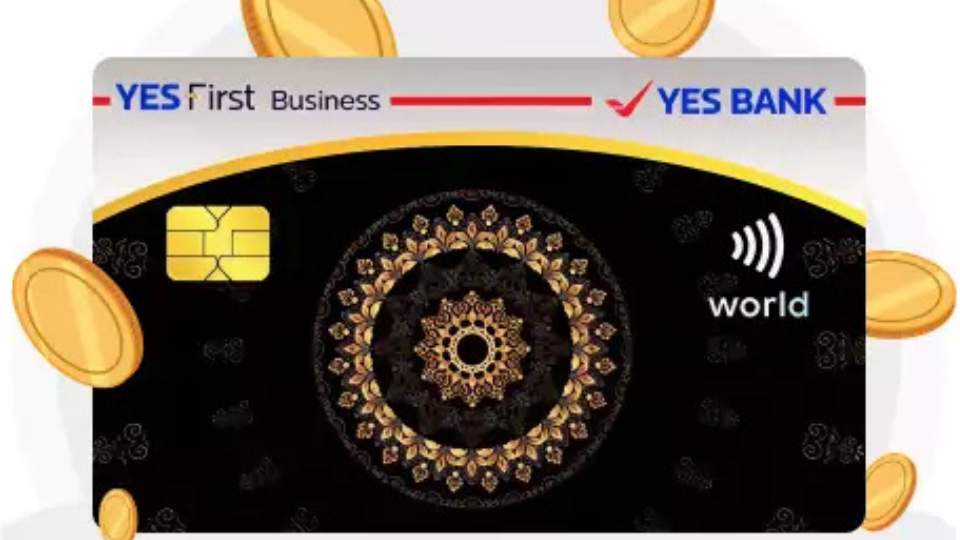
Suspicious Transactions Reported on Yes Bank and BookMyForex Cards
Yes Bank’s multi currency forex card, offered in partnership with BookMyForex, is under scrutiny. Many users have reported suspicious international transactions, leading to concerns about a potential data leak.
Users Report Unauthorized Activity
Cardholders turned to social media platform X (formerly Twitter) to share their experiences with unauthorized charges, mostly in U.S. Dollars (USD) and Brazilian Real (BRL). Many users also expressed frustration that they could not access the BookMyForex app or website to lock their cards immediately.
One user on X shared: “Today my forex card was hacked. I’ve been trying to reach Yes Bank, but everyone just says to contact a different department. I’m thinking of just breaking the card.”
Another reported multiple fraudulent withdrawals in Brazilian currency, noting that customer support was unreachable and the app was malfunctioning.
Official Response from BookMyForex
In response to the complaints, BookMyForex assured customers that their funds are safe. They stated that the issue has been reported to Yes Bank, the card issuer, and advised users to lock their cards as a precaution through the app or self care portal.
A BookMyForex spokesperson clarified:
“There has been no data breach involving BookMyForex systems. Yes Bank noticed an unusually high volume of failed transaction attempts on these cards. These attempts originated from a specific country, and the bank has since blocked all transactions from that region.”
The company added that cards involved in these attempts were proactively blocked as a safety measure. They are also arranging free replacement cards for affected customers.
How the Attack Happened
According to a report by The Economic Times, Yes Bank is expected to start “chargeback” proceedings to help affected users recover their money. While Yes Bank has not yet issued an official public statement, initial assessments suggest how the breach occurred:
- Sensitive Data Access: Attackers likely gained access to card numbers, expiry dates, and CVVs from a compromised database or a third-party system.
- Test Transactions: The hackers first made small “test” charges to see if the cards were active before attempting larger purchases.
- Bypassing Security: Many fraudulent transactions were in Brazilian Real. This strategy is often used to exploit international merchant channels that have weaker identity checks (KYC) and less monitoring.
If you suspect unauthorized activity on your card, you should attempt to lock it immediately via the official app and contact the bank’s specialized forex support team.
Also Read : Nestlé Overhauls Bonus Policy to Reward Top Performers