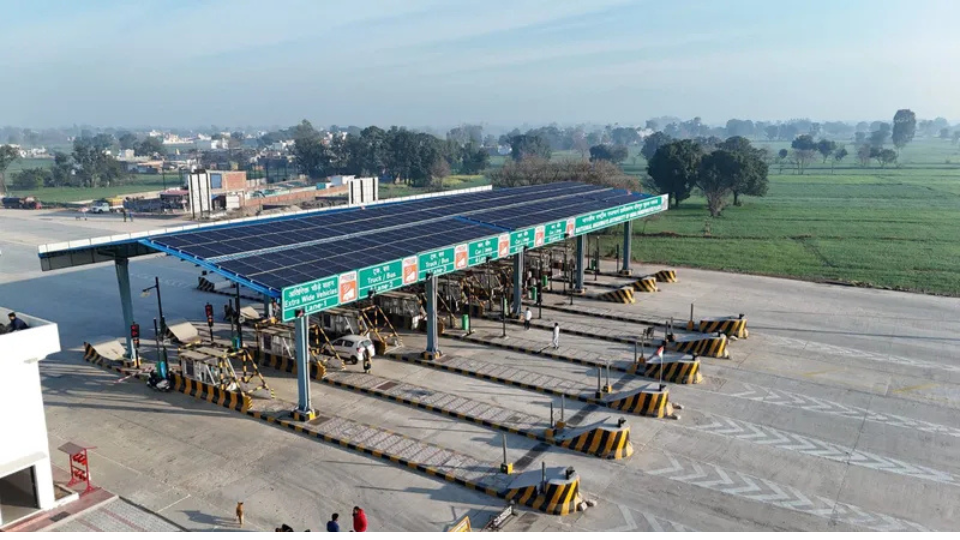
NHAI to Discontinue Cash Payments at Toll Plazas from April 1
The National Highways Authority of India (NHAI) is planning to stop all cash payments at toll plazas starting April 1, 2026. According to a government press release, this move aims to create a fully digital tolling system across the country.
Once this change takes effect, all toll fees on national highways must be paid digitally using FASTag or UPI. This shift is designed to build on the success of electronic toll collection and make highway operations more efficient and reliable.
Improving the Commuter Experience
The transition is expected to make traveling easier for everyone. By removing cash payments, NHAI hopes to:
- Increase the speed of traffic in toll lanes.
- Reduce heavy congestion at toll booths.
- Ensure clear and consistent toll transactions.
Over the last few years, FASTag usage has grown to over 98%. Most drivers already use these RFID tags for seamless, contactless payments. Additionally, UPI options are now available at toll plazas nationwide to provide instant digital payment alternatives.
Current Toll Rules and Penalties
Under existing rules, there are already extra costs for not using a functional FASTag:
- Cash Payments: Drivers without a valid FASTag are charged double the standard toll fee if they pay in cash.
- UPI Payments: Those who pay via UPI are charged 1.25 times the standard fee.
These measures were introduced to encourage drivers to switch to digital methods and reduce the time spent at toll booths.
Why Move to a Cashless System?
Data from toll plazas shows that cash payments are a major cause of traffic jams, especially during busy hours. They also lead to longer wait times and frequent disputes over loose change.
By going fully digital, NHAI aims to improve traffic management and reduce delays for travelers. This change will affect over 1,150 toll plazas on national highways and expressways across India, creating a faster and smoother journey for everyone.
Also Read : India’s Forex Reserves Surge to Record High of $725.7 Billion