US Deploys Largest Air Force Buildup in Middle East Since Iraq War
The United States has assembled its most powerful air combat force in the Middle East since the 2003 invasion of Iraq. According to The Wall Street Journal, this massive buildup signals a possible escalation in tensions with Iran.
The Trump administration has also deployed more land-based air defense systems across the region, strengthening the U.S. military’s overall position.
Advanced Stealth Jets and Naval Power
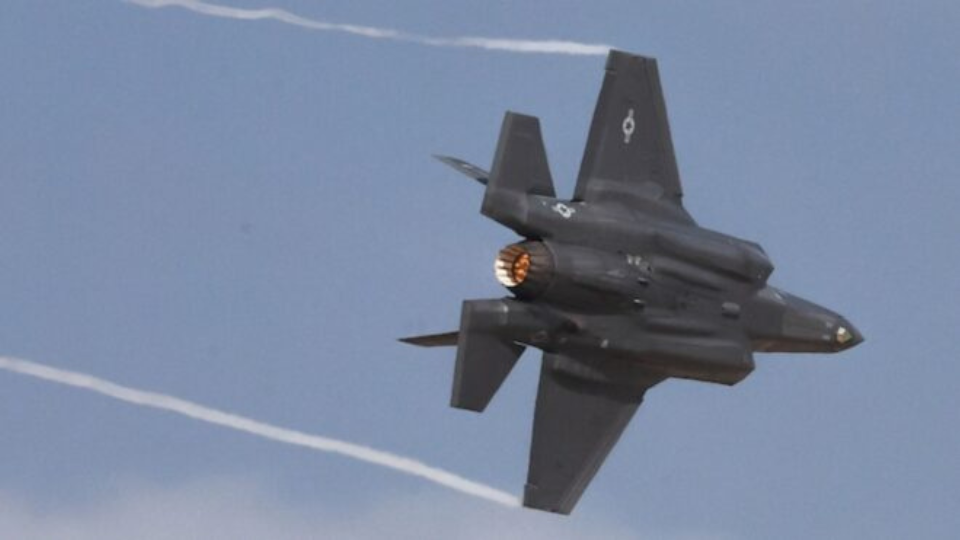
The current buildup includes high-tech F-35 and F-22 Raptor stealth fighters, along with support and refueling aircraft. Other key deployments include:
- Carrier Strike Groups: The USS Abraham Lincoln is already in the region, and a second carrier, the USS Gerald R. Ford, is on its way. This second carrier brings attack jets and electronic-warfare capabilities.
- Command Aircraft: Specialized planes used to coordinate large-scale air operations are also being moved into place.
- Regional Bases: Flight-tracking data shows dozens of U.S. aircraft relocating to Muwaffaq Salti Air Base in Jordan and Prince Sultan Air Base in Saudi Arabia.
Potential Military Options
While these assets are ready, the final decision belongs to President Donald Trump. Reports suggest he hasn’t yet decided whether to authorize a strike. If he does, the mission could range from:
- Targeting Iran’s nuclear facilities and missile sites.
- A broader campaign to destabilize the current regime.
Unlike the short “Midnight Hammer” strike in June 2025, which hit three nuclear sites, this current force allows for a sustained air campaign lasting several weeks.
How This Compares to the Iraq War
Although this is the largest buildup in decades, it is still smaller than past major conflicts.
| Conflict | Number of Aircraft Deployed |
| 1991 Gulf War | 1,300 |
| 2003 Iraq War | 863 |
| Current 2026 Buildup | Select Squadrons (Largest since 2003) |
Key Differences Today:
- The U.S. Air Force is currently smaller than it was in 2003.
- There is no broad international coalition or allied ground forces in place yet.
- Airspace Restrictions: Both the UAE and Saudi Arabia have restricted the use of their airspace for potential strikes, forcing the U.S. to concentrate its planes in Jordan.
Diplomacy vs. Action
Despite the military surge, diplomatic efforts are still happening. U.S. and Iranian officials met in Geneva this week. While the White House noted “a little bit of progress,” both sides remain far apart on a nuclear deal.
Iran has warned of consequences and maintains a large missile arsenal. It also has the power to disrupt the Strait of Hormuz, a vital global shipping route. President Trump has warned that if talks fail, the U.S. is prepared to act.
Also Read : Oil Marketing Stocks HPCL and BPCL Fall While Upstream Producers Gain