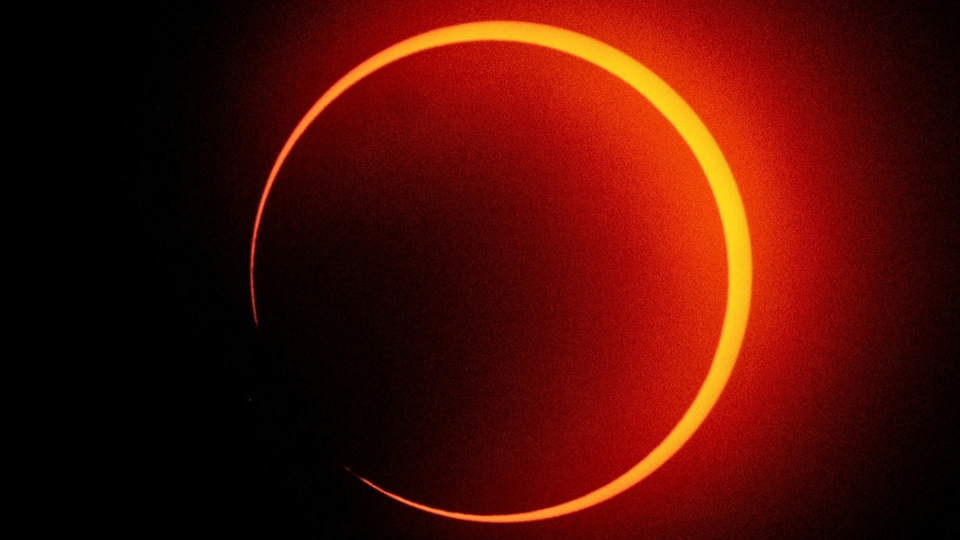
Antarctica’s ‘Ring of Fire’: Why Scientists Are Chasing a Rare Eclipse
In the frozen silence of Antarctica, scientists are on a risky mission to observe a rare solar eclipse known as a “ring of fire.” Today, February 17, 2026, research teams are working in some of the harshest conditions on Earth to capture data that could improve our understanding of the Sun.
Extreme Cold and High Stakes
At Concordia Station and Mirny Station, temperatures are currently dropping below -30°C. Researchers must work with extreme care, as even short exposure to these temperatures can be dangerous.
Concordia Station is often called “White Mars” because it is so isolated. The air there is thin and bone-dry, making survival a challenge. However, these same conditions provide a huge reward for science.
The Antarctic Advantage
Despite being so remote, Antarctica offers one of the clearest views of the sky. The dry air on the Antarctic plateau has very little moisture, which means there is less distortion in the atmosphere. This allows scientists to see the Sun with incredible clarity during the eclipse.
Technology Under Strain
Extreme cold is a major threat to scientific equipment. At these temperatures:
- Standard lubricants can freeze solid.
- Electronic sensors may fail.
- Moving parts on telescopes can lock up.
To keep things running, engineers use special dry lubricants and heating systems. Even a small technical glitch during the short window of the eclipse could waste years of preparation.
Battling Coastal Winds
While the cold is a problem inland, teams at Mirny Station face an additional threat: strong coastal winds. Sudden gusts can shake heavy telescopes and blur the images, potentially ruining the data being collected.
Unlocking the Secrets of the Sun
The main goal of this mission is to study the Sun’s corona—its outer atmosphere. Usually, the corona is hidden by the Sun’s intense brightness. By observing it during an eclipse, scientists can better understand solar flares and space weather. These events are important because they can disrupt satellites, GPS navigation, and power grids back home.
For the researchers currently on the ice, this eclipse is a race against time and the elements. Success today will provide insights that could protect our technology for years to come.
Also Read : India France Rafale Deal Comparing the Rafale to Pakistan’s F16 and JF17