India-France Rafale Deal: How the Fighter Jet Compares to Regional Rivals
French President Emmanuel Macron is currently on a three-day state visit to India. During this trip, he is scheduled to meet Prime Minister Narendra Modi to discuss the India-France Strategic Partnership.
A major highlight of the visit is a proposed $40 billion government-to-government deal. Under this agreement, India plans to acquire 114 Dassault Rafale fighter jets. This move comes as the Indian Air Force (IAF) works to address a shortage of fighter squadrons. Currently, the IAF operates 29 squadrons, well below the target of 42, while neighbors Pakistan and China continue to grow their air power.
Understanding India’s Rafale Edge
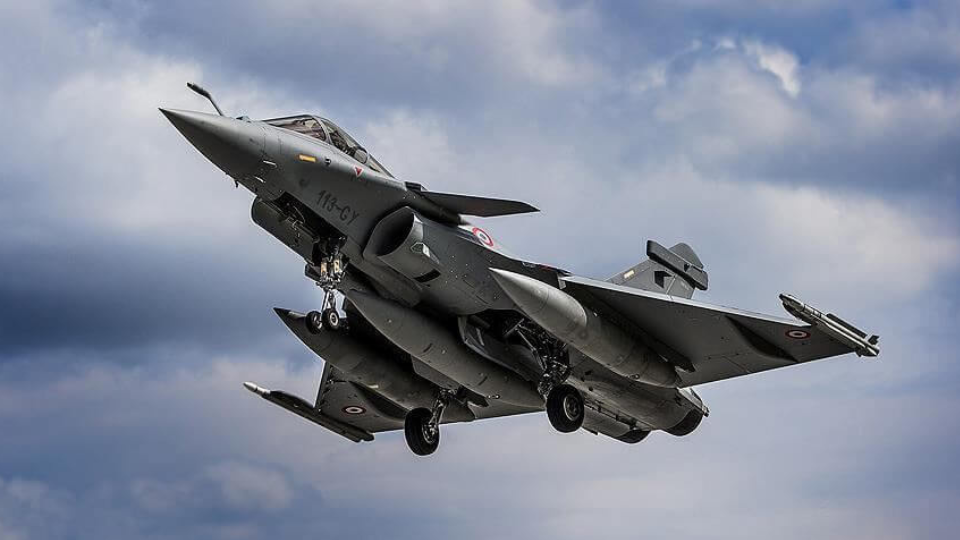
India already operates 36 Rafale jets from a 2016 deal. Additionally, the Indian Navy recently signed for 26 naval versions for the aircraft carrier INS Vikrant. As a 4.5-generation multirole fighter, the Rafale is the most advanced aircraft in India’s fleet.
Key features that give India an advantage include:
- Advanced Weapons: The long-range Meteor air-to-air missile and SCALP cruise missiles for deep strikes.
- Superior Radar: The Thales RBE2 AESA radar provides excellent awareness of the battlefield.
- Electronic Warfare: High-tech suites that help the jet stay hidden and survive in dangerous airspace.
Comparing India’s Air Power to Pakistan’s Fleet
F-16: Capable but Restricted
Pakistan’s F-16 Fighting Falcon is a strong air-to-air combat jet. However, these U.S.-made planes come with strict rules on how they can be used. With a fleet of about 70–75 aircraft, Pakistan also faces high maintenance costs. While the F-16 is great for dogfights, it lacks the advanced electronic warfare and long-range strike power of the Rafale.
JF-17 Thunder: The Reliable Backbone
The JF-17, developed by Pakistan and China, is the most common jet in the Pakistan Air Force. It is a lightweight, affordable jet built for quick production. The newest “Block 3” version has updated radar, but it still cannot match the Rafale’s range, engine reliability, or ability to carry heavy weapon loads.
J-10C: The Modern Challenger
Pakistan recently added the Chinese J-10C to its fleet. This medium-weight fighter is technologically the closest rival to the Rafale. It features modern design and advanced missiles. However, the Rafale has a much longer record of proven success in real combat missions around the world. Experts believe the Rafale’s twin-engine safety and superior electronic systems still give India the lead.
The Future of Regional Air Power
If the 114-jet deal is signed, it will significantly boost India’s strength. While Pakistan has modernized its fleet with a mix of F-16s and J-10Cs, the Rafale’s combination of long-range strike power and advanced sensors keeps India in a dominant position in South Asian skies.
Also Read : Tata Electronics Semiconductor Hiring Drive Feb 21-22 at AEC Guwahati